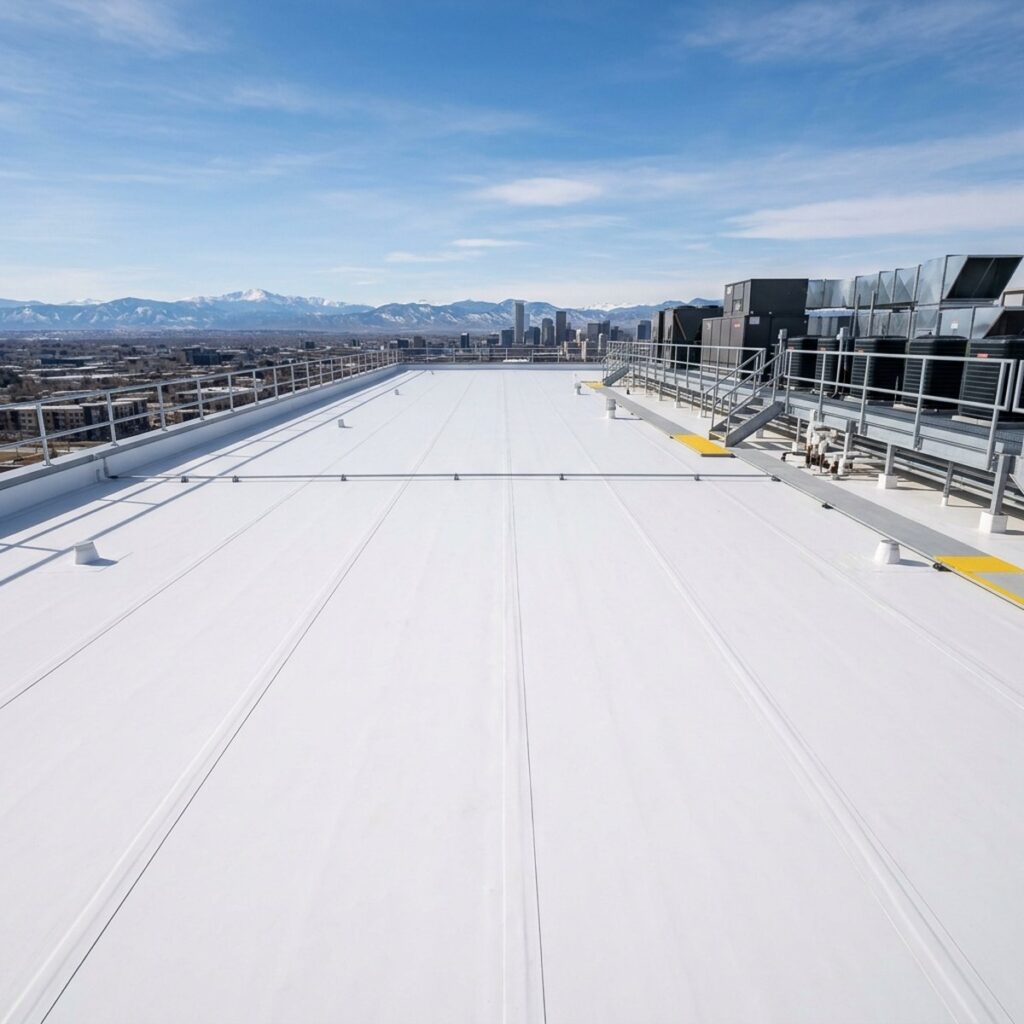
Silicone Roof Coatings

What Is a Silicone Roof Coating?

A silicone roof coating is a seamless, fluid-applied layer that restores an existing low-slope roof without a tear-off. It fits TPO, EPDM, modified bitumen, metal and concrete roofs that are still dry and structurally sound, and it is the usual choice for roofs that hold water after rain. It adds no insulation and cannot save a roof with widespread wet insulation.

Extend roof life without a costly tear-off

Silicone roof coatings restore and extend the life of an aging roof by sealing seams, penetrations, and worn membrane in a seamless, UV-stable topcoat — without the cost or disruption of a full tear-off.

Unlike acrylic coatings, silicone resists ponding water indefinitely, making it the right choice for low-slope roofs that don’t drain quickly.
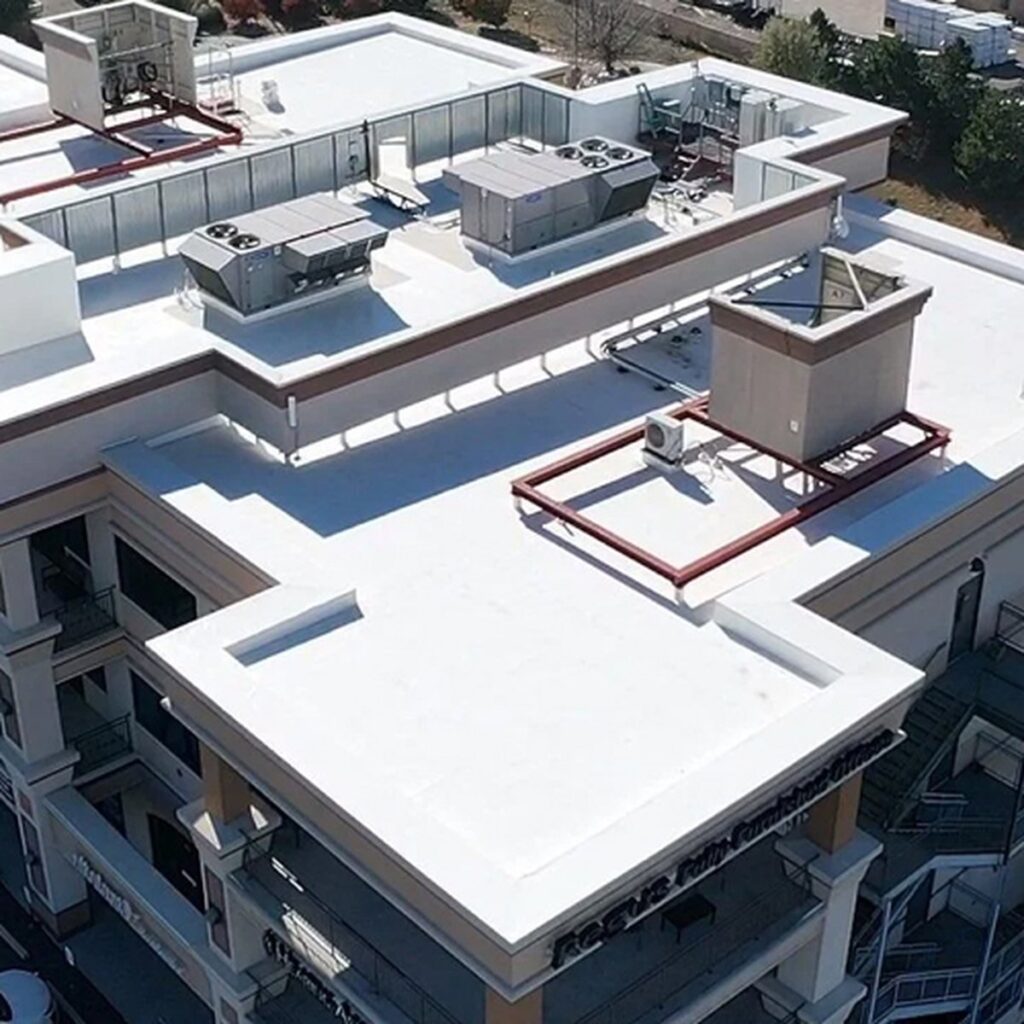
  • Aging TPO, EPDM, or Metal Roofs
  • Roofs with Ponding Water
  • Warehouse & Distribution Facilities
  • Office Buildings & Corporate Campuses
  • Schools & Municipal Buildings
  • Roofs Nearing the End of Warranty
Roofs We Coat

Four Substrates, One Seamless Finish

The roof underneath shapes the job. Here is how silicone works on each surface we coat.

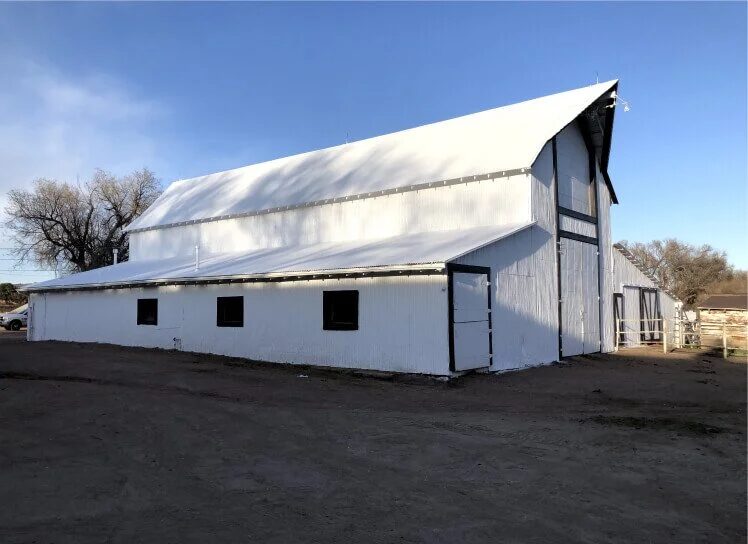
Finished white silicone-coated barn

Metal Roofs

Silicone covers seams and fasteners on a metal roof in one seamless layer that guards against rust, UV damage and leaks.

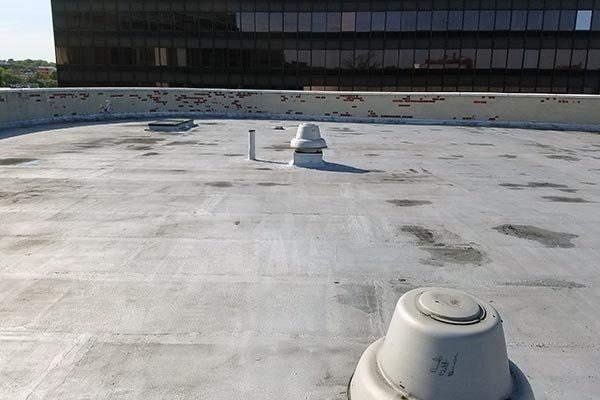
Weathered flat gray commercial roof with dark patches and vent hoods in front of a glass office building

Concrete Roofs

Silicone seals a concrete deck in a flexible layer that moves with the slab as temperatures swing and stays watertight where the deck holds water.

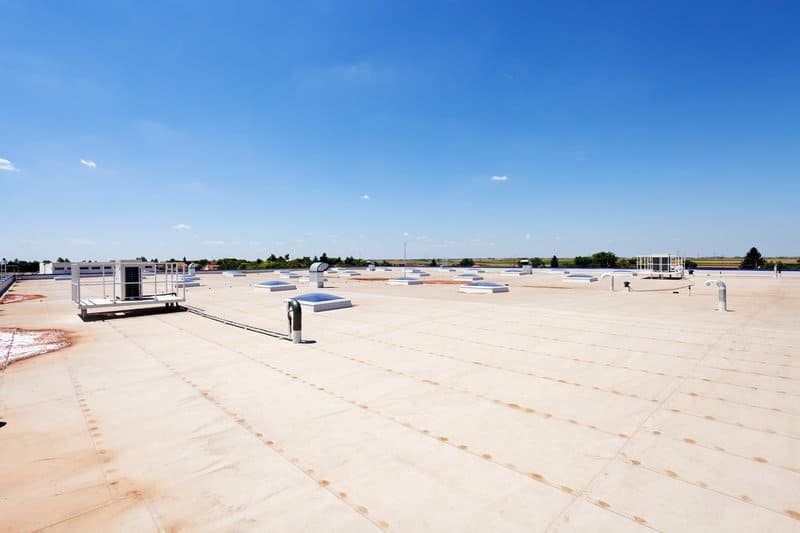
Aged tan single-ply membrane roof with visible seam lines, rooftop units and skylights

Single-Ply Roofs

Aging TPO and EPDM sheets can be restored in place instead of replaced when nothing beneath them is wet. Loose laps are closed up before any coating goes on.

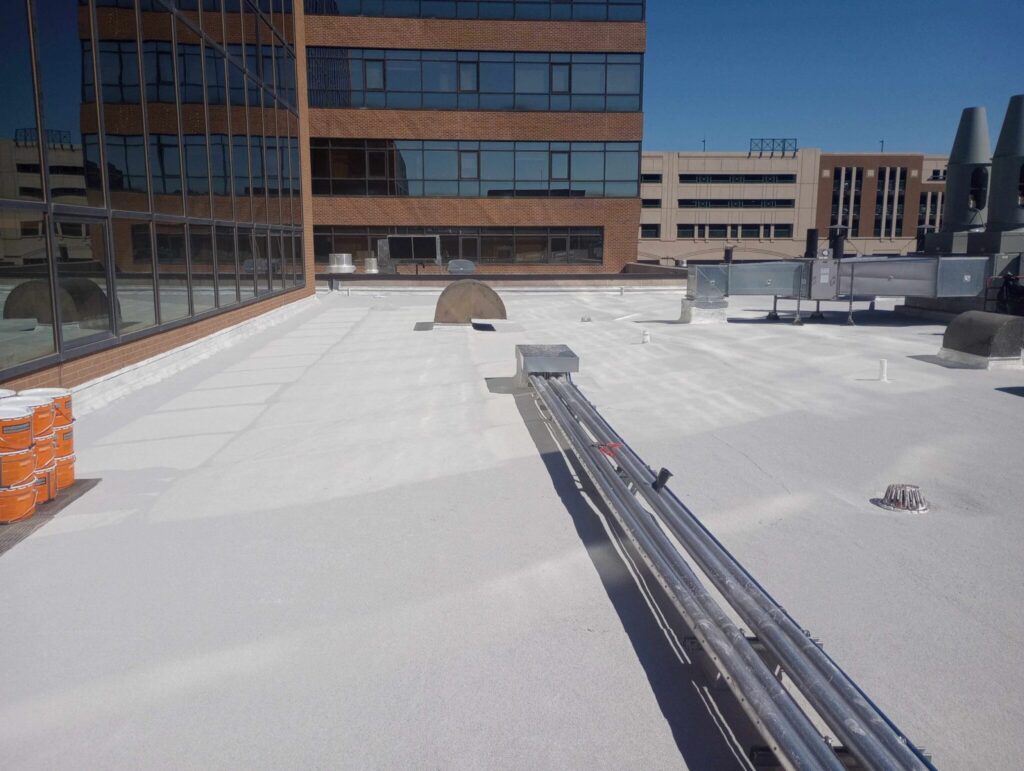
Finished granule-surfaced silicone coating beside the hospital tower

Modified Bitumen Roofs

Silicone gives a worn modified bitumen roof a new weathering surface. UCHealth Memorial Hospital's roof was restored this way.

Learn More
Strong Contractors' Approach to Silicone Roof Coatings

Prep Right. Coat Once. Last Longer.

A coating is only as good as the substrate prep underneath it — skip the cleaning, priming, and detail work, and the coating fails early no matter how good the material is. We pressure-wash, prime, and detail every seam and penetration before a drop of coating goes down.

That’s why our coated roofs extend service life by 10–15 years instead of buying a season or two.

  • Certified Applicators
    Our crews are trained and certified on silicone coating application and mil-thickness control.
  • Full-System Warranties
    Manufacturer-backed warranties covering material and labor, with terms up to 15 years.
  • Quality Documentation
    Mil thickness is checked with a wet-film gauge and photographed across the roof.
  • Local Expertise
    We schedule coating work around Colorado's weather windows to protect cure quality.
Fit Check

Is a silicone coating right for your roof?

Usually a Good Fit

  • Water stands on parts of the roof after rain
  • The membrane is weathered or chalking, but the insulation below is still dry
  • The roof is TPO, EPDM, modified bitumen, metal or concrete
  • A tear-off would disrupt patients, students, tenants or secure operations
  • Antennas, rooftop equipment or a helipad make a new membrane hard to stage
  • You want a reflective white surface over a dark or aging membrane

Usually Not a Fit

  • Large areas of the roof are saturated and need removal
  • The building needs added insulation, which a coating does not provide
  • The deck or structure is failing
  • You expect to switch coating types later, since future recoats need silicone
Our Process

How a Silicone Restoration Comes Together

Because silicone bonds to whatever is underneath it, most of the work happens before the first coat. Here is how a typical restoration runs.

  1. Assess the Roof and Its Moisture

    We review the membrane, seams, flashings and drains, and check for trapped moisture. Wet insulation is cut out and replaced, because a coating sealed over water will not hold up.
  2. Clear the Surface

    Pavers, walkway pads, debris and anything loose come off the roof. Items that will go back are staged and protected so the coating can reach every square foot of membrane.
  3. Wash and Repair

    Power washing removes dirt and chalking. Open seams, cracks and joints are sealed, and blisters or failed membrane are repaired so the coating goes onto a sound surface.
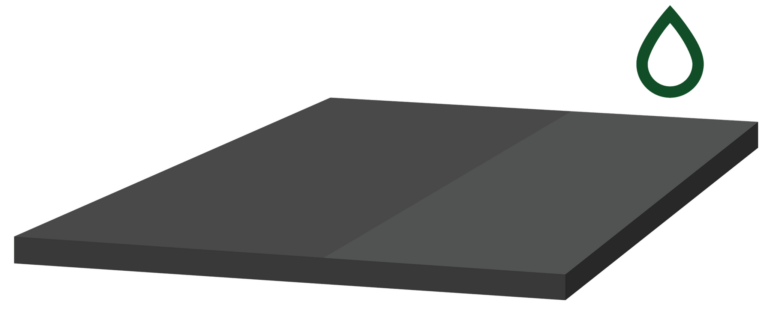
    Illustration of a dark roof surface, half cleaned, with a water drop icon, representing surface preparation
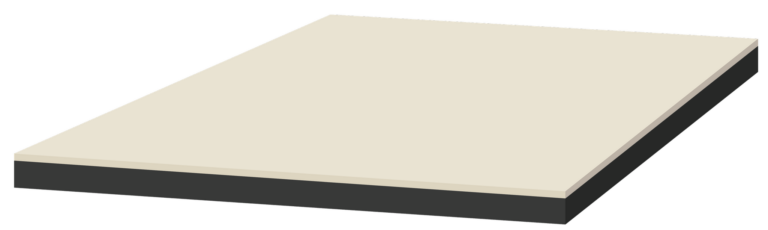
  4. Prime and Test Adhesion

    Where the substrate calls for it, primer goes down first. An adhesion peel test on the actual roof confirms the coating will bond before the full roof is coated.
    Illustration of a cream primer layer applied over the roof substrate
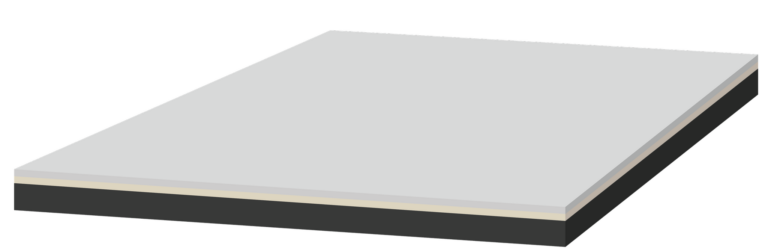
  5. Apply the Silicone

    Silicone is applied by spray, roller or brush, typically in two coats or wet-on-wet, depending on the system. Penetrations and transitions are built up before the open field is coated.
    Illustration of a light gray liquid waterproofing membrane applied over the primer and substrate
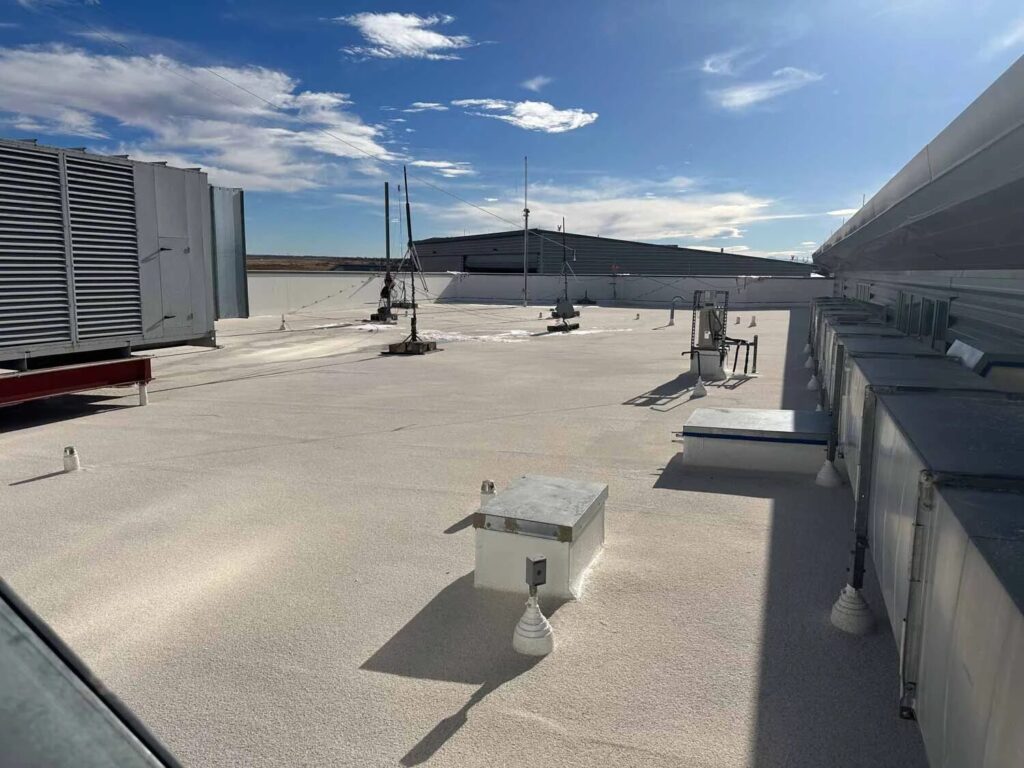
  6. Embed Granules Where People Walk

    Granules broadcast into the wet coating give maintenance crews a harder, slip-resistant surface. On the U.S. Space Force project, they protected a roof with heavy foot traffic around antennas.
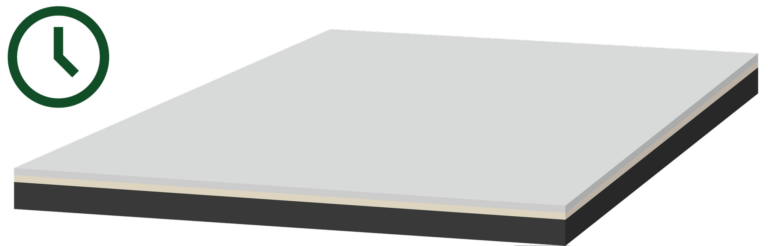
    Illustration of the finished membrane layer with a clock icon, representing curing and finishing
  7. Inspect on a Schedule

    Plan on a roof inspection every six to twelve months. Small damage is repaired with silicone-based sealant, and the eventual recoat uses silicone again.
See It in Action

From Weathered Roof to Finished White Coating

Drone and roof-level footage covers a Strong coating job on a commercial warehouse from start to finish.

Commercial Roof Coating by Strong Contractors
System Specs

Typical Silicone Coating Specs

SpecTypical Value
Coating typeFluid-applied silicone
Compatible substratesTPO, EPDM, modified bitumen, metal, concrete
Ponding waterResists standing water
ApplicationSpray, roller or brush; two coats or wet-on-wet
Adhesion checkPeel test, with primer where required
Surface optionBroadcast granules for traffic and slip resistance
Repairs and recoatsSilicone-based products only
Inspection intervalEvery 6 to 12 months
Pricing

What Drives the Cost

A silicone restoration is priced on the work under the coating as much as the coating itself. These factors carry the most weight.

  • Wet Areas to Replace

    Every section of saturated insulation or failed membrane is cut out and rebuilt before coating. The moisture assessment sets this quantity.

  • Coating Thickness and Warranty Term

    Longer manufacturer warranties typically call for more coating per square foot, which raises material cost.

  • Penetrations and Rooftop Equipment

    Curbs, antennas, pipes and units each need hand detailing. A crowded roof costs more per square foot than an open one.

  • Items Sitting on the Membrane

    Pavers, ballast and walkway pads have to come off and often go back. Weight, access and building operations set how that is done.

  • Operating Constraints

    Hospitals, secure facilities and schools may limit work hours, require fast roof clearing or rule out a crane, all of which add planning and labor.

Compare Options

Silicone vs. Acrylic vs. Spray Foam

Silicone Roof CoatingsAcrylic Roof CoatingsSpray Foam (SPF) Roofing
Standing waterResists pondingNeeds positive drainageFoam can add slope
Insulation addedNoneNoneYes, set by foam thickness
Typical substratesSingle-ply, mod-bit, metal, concreteMetal and well-drained roofsMost roofs; single-ply needs cover board
Future recoatsSiliconeAcrylicSame type as the original topcoat
Strongest fitLow-slope roofs that hold waterSloped or fast-draining roofsRoofs that need insulation or slope
Finished silicone-coated roof with rooftop units
Featured Project

United States Space Force

Restoration of an existing TPO roof on a U.S. Space Force facility with a liquid-applied silicone coating and embedded granules, in place of a planned EPDM membrane swap.
View Case Study
Outside Colorado?

We Bring Our Crews to the Job

Strong Contractors takes on spray foam, coating, and ballast removal projects outside Colorado, bringing our own crews, equipment, and project management to the job. Before we bid an out-of-state project, we confirm that state’s licensing, registration, and permit requirements so the work moves forward cleanly.

Discuss Your Project
FAQ

Silicone Roof Coating Questions

Is silicone roof coating good for flat roofs with ponding water?

Yes. Silicone resists standing water, which is why it is the usual coating for low-slope roofs where water sits after rain. It also stays flexible instead of turning brittle. Ponding still deserves a look, because blocked drains or a sagging deck can point to problems no coating will fix.

Can you put a silicone coating over a TPO roof?

Yes, when the TPO is dry and sound. For the U.S. Space Force, Strong restored an existing TPO roof with silicone and embedded granules instead of the planned swap to a black EPDM membrane. The coating extended the roof’s life, raised its reflectivity and avoided working a new membrane around the facility’s antennas.

Can a hospital roof be coated while the hospital stays open?

Yes, with the right planning. On the UCHealth Memorial Hospital campus in Colorado Springs, Strong restored a modified bitumen roof, including the helicopter pad, with silicone and broadcast granules. Crews worked under a communication plan with hospital security and could clear the roof within 10 to 15 minutes of an incoming helicopter.

How long does a silicone roof coating last?

Plan around the manufacturer warranty quoted for your roof, since terms are set by the system and the coating thickness specified. Service life also follows the condition of the roof underneath and how well the coating is maintained. When it wears, the roof can be cleaned and recoated with silicone instead of torn off.

Is a silicone-coated roof slippery?

A smooth silicone surface can be slick when wet. Broadcasting granules into the final coat gives a harder, slip-resistant finish, and it is worth specifying anywhere maintenance crews walk to equipment. The granules also add puncture resistance on roofs that see regular traffic.

Should I coat my commercial roof or replace it?

Coat it if the membrane is weathered but the insulation below is dry and the deck is sound. Replace it if moisture is widespread or the structure is failing. Strong treats a full tear-off as the last resort, so the assessment starts by asking whether restoration can do the job. That approach has saved 1,000 dumpsters from landfill.

Can silicone coatings be used on historic buildings?

They can, when the roof is a sound candidate. Strong worked with the Army Corps of Engineers to restore the historic barn at Fort Carson Mounted Guard with a silicone coating, adding a seamless weather barrier while preserving the original structure.

Related Services

Explore More Fluid Applied Roof Systems Solutions

Spray Foam (SPF) Roofing

Read More

Acrylic Roof Coatings

Read More