Epoxy & Protective Coatings

What Are Epoxy Protective Coatings?

Epoxy coatings are hard, two-component films that bond tightly to properly prepared concrete and steel and resist chemicals, abrasion and corrosion. They suit plant floors, secondary containment, structural steel and primers under other coatings. Epoxy is the right call for interior or protected surfaces that need chemical resistance and a cleanable finish and do not move much.

Industrial-grade protection for steel, concrete, and metal

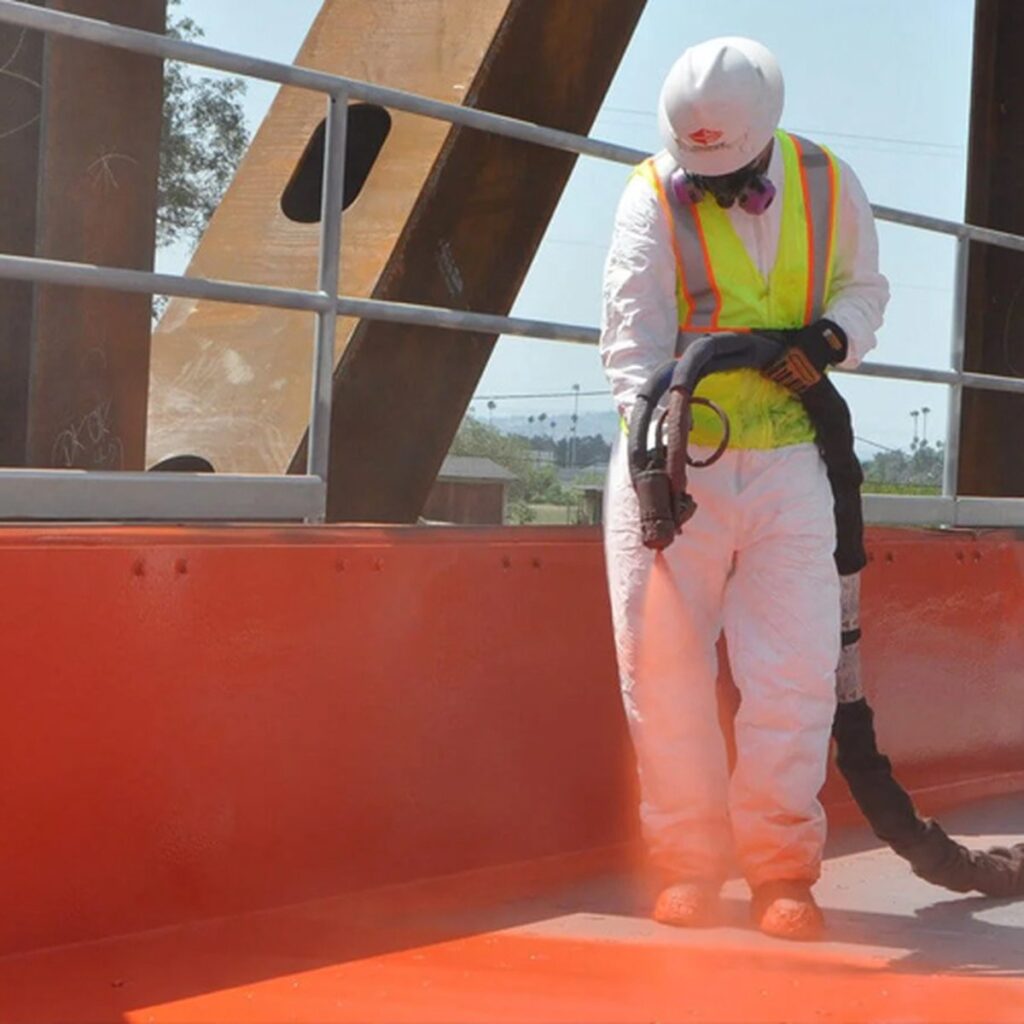
Epoxy coatings create a hard, chemical-resistant barrier over steel, concrete, and metal substrates — protecting against corrosion, abrasion, and chemical exposure in industrial and manufacturing environments.

We apply epoxy systems to structural steel, concrete floors, and metal roof substrates, selecting formulations rated for the specific chemical and traffic exposure on each project.
  • Manufacturing & Industrial Plants
  • Warehouse Floors
  • Structural Steel Protection
  • Chemical Processing Facilities
  • Equipment Platforms & Catwalks
  • Metal Roof Substrates
Strong Contractors' Approach to Epoxy & Protective Coatings

Surface Prep Is the Whole Job.

Epoxy fails fast on a poorly prepped surface — rust, contamination, or moisture under the coating will undermine adhesion no matter how good the product is. We media-blast or grind every substrate to spec profile before we prime.

That surface prep discipline is why our epoxy systems hold up under real industrial use, not just in the spec sheet.

  • Certified Applicators
    Our crews are trained and certified on epoxy coating systems for steel and concrete substrates.
  • Full-System Warranties
    Manufacturer-backed warranties covering material and labor, with terms up to 10 years.
  • Quality Documentation
    Surface profile and mil thickness are checked and photographed before and after application.
  • Local Expertise
    We spec formulations rated for the specific chemical and traffic exposure on each site.
Fit Check

Where does epoxy belong in your plant?

Usually a Good Fit

  • Interior concrete floors in plants, warehouses and process areas with forklift and foot traffic
  • Secondary containment and chemical handling areas where spills must stay on the surface
  • Structural steel, platforms and equipment that need corrosion protection indoors or under a topcoat
  • A primer or build coat beneath a polyurethane or polyurea system
  • Surfaces where a hard, cleanable finish matters more than flexibility

Usually Not a Fit

  • Exterior surfaces in direct sun with no UV-stable topcoat, since epoxy chalks and fades
  • Joints, rims or substrates that move with temperature or load, where an elastomer usually performs better
  • Slabs with high moisture vapor emission and no moisture-mitigation primer in the system
  • Shutdowns too short for the cure time the chemical service requires
Our Process

Epoxy System Installation, Step by Step

Most epoxy systems have a primer, a build coat and often a topcoat. Each layer needs the right surface and the right conditions, in order.

  1. Exposure Review

    We document the chemicals, temperatures, traffic and cleaning methods the surface will face, then select an epoxy formulation, including novolac grades where needed, rated for that exposure.
  2. Substrate Testing

    Concrete is tested for moisture vapor emission and soundness. Steel is checked for corrosion, contamination and section loss before the prep standard is set.
  3. Profiling and Repair

    Concrete is shot blasted or diamond ground; steel is abrasive blasted. Cracks, joints and spalls are repaired so the coating starts on a sound, clean base.
  4. Prime, Build and Topcoat

    Each coat goes on at the specified thickness and within its recoat window. Coves, trenches and drains are detailed so containment stays continuous.
  5. Cure Control

    We hold temperature and keep traffic off until each area reaches the cure stage the manufacturer requires for foot traffic, vehicles or chemical exposure.
  6. Test and Document

    We measure dry film thickness, test adhesion and holiday test linings for pinholes, then hand over the records for your maintenance team.
System Specs

Typical Epoxy System Specs

SpecTypical Value
ChemistryTwo-component epoxy resin and amine-type hardener; novolac for aggressive chemicals
System buildPrimer, build coat, optional topcoat
Concrete prepTypical: shot blast or grind to ICRI CSP 2 to 5, per system
Steel prepTypical: SSPC-SP 6 to SP 10 abrasive blast, per exposure
Film buildTypical: 4 to 10 mils dry per coat on steel; thicker for floors and linings
Foot trafficTypical: 12 to 24 hours at about 70°F
Full chemical cureTypical: about 5 to 7 days at about 70°F
SunlightChalks outdoors; topcoat with polyurethane
Pricing

What Drives the Cost

Epoxy material is a small part of the price. Most of the cost comes from preparing the substrate and fitting the cure time into your operations.

  • Substrate Condition

    Spalls, cracks, old coatings, oil-soaked concrete and corroded steel all add removal and repair work before the first coat.

  • Slab Moisture

    When testing shows high moisture vapor emission, a moisture-mitigation primer is needed to keep the coating from blistering or debonding.

  • Chemical Exposure

    Standard epoxies cost less than novolac and other chemical-resistant linings. The harsher the exposure, the higher the material grade and thickness.

  • System Type and Detailing

    A thin-film sealer, a broadcast system and a troweled mortar are different scopes. Coves, trench drains and joints add detail work.

  • Downtime and Phasing

    Working in sections, nights or weekends keeps a plant running, but it adds mobilizations and limits how much area cures at once.

Compare Options

Epoxy vs. Polyurea vs. Polyurethane

Epoxy & Protective CoatingsPolyurea CoatingsPolyurethane Coatings
HardnessVery hard, rigidElastomeric, toughHard to flexible
Chemical resistanceBroad; novolac grades for harsh exposureGood; check data per chemicalGood against oils and weather
Crack bridgingLowHighModerate
Return to serviceSlowest; days for full cureFastest; often hoursModerate; varies by product
Outdoor UVNeeds a topcoatAliphatic grades onlyAliphatic grades hold color
Common jobFloors, containment, primersTanks, rims, fast shutdownsTopcoats, exposed steel
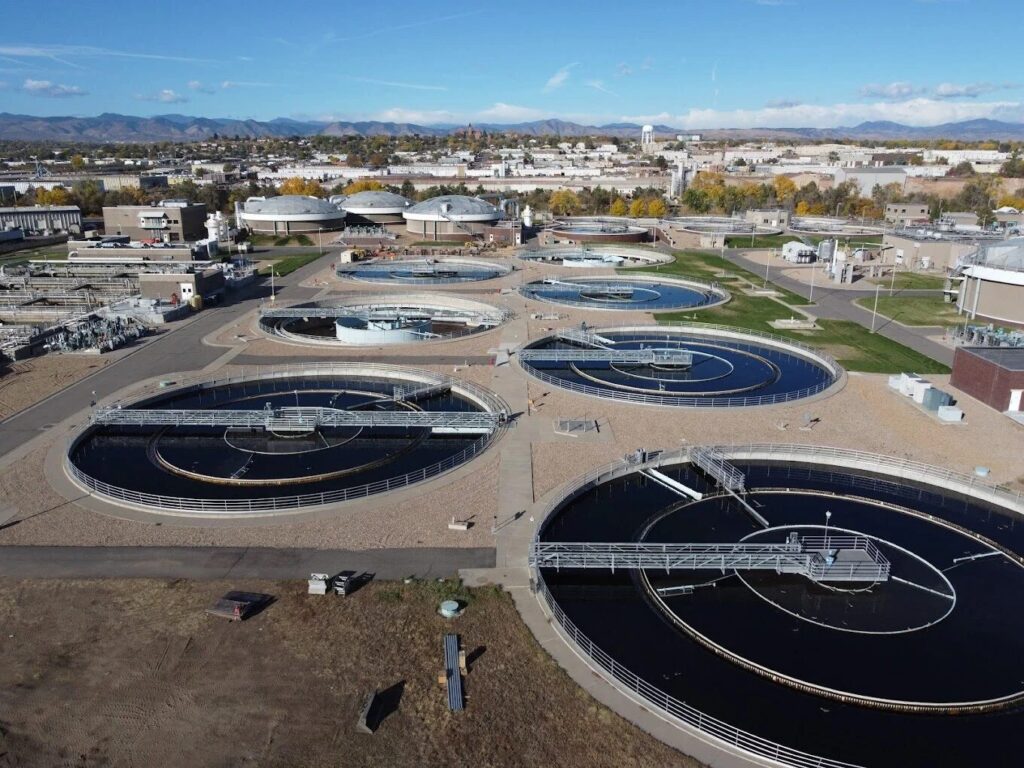
Aerial view of the South Platte Renew wastewater treatment plant
Featured Project

South Platte Renew

Restoration of a corroded rim on a 500,000-gallon wastewater tank: blasted to near-white metal and sealed with fast-setting polyurea in a 36-hour push, replacing a failed epoxy coating.
500,000-gallon tank
View Case Study
Outside Colorado?

We Bring Our Crews to the Job

Strong Contractors takes on spray foam, coating, and ballast removal projects outside Colorado, bringing our own crews, equipment, and project management to the job. Before we bid an out-of-state project, we confirm that state’s licensing, registration, and permit requirements so the work moves forward cleanly.

Discuss Your Project
FAQ

Epoxy Coating Questions

How long does an epoxy floor take to cure before we can use it?

Most epoxy floor systems take foot traffic in 12 to 24 hours and vehicle traffic in a few days, with full chemical resistance after 5 to 7 days at room temperature. Cold slabs slow curing considerably. We confirm the cure schedule for your specific product and plan the sequence around when each area must reopen.

Why does epoxy peel or blister on concrete?

The most common causes are moisture rising through the slab, a surface that was never profiled and contamination such as oil or curing compounds. Applying outside the product’s temperature range or missing its recoat window also weakens the bond. Moisture testing and mechanical prep before the first coat prevent most of these failures.

Can a new coating go over a failed one?

Usually the failed material has to come off first, because a new coating is only as good as the layer it bonds to. At South Platte Renew, an epoxy coating applied by another company had failed on a corroded 500,000-gallon wastewater tank rim. We blasted the rim to near-white metal (SSPC-SP 10) and applied fast-setting polyurea to meet a tight deadline. The surface and the schedule pick the coating.

Is epoxy good for outdoor surfaces?

Epoxy works outdoors as a primer or build coat, but exposed epoxy chalks and fades in sunlight. For exterior steel, tanks and platforms, epoxy is typically topcoated with a UV-stable aliphatic polyurethane. That pairing gives you the adhesion and corrosion protection of epoxy with a finish that holds its color.

What is the difference between standard epoxy and novolac epoxy?

Novolac epoxy is more densely crosslinked, which gives it stronger resistance to concentrated acids, solvents and higher temperatures. It is typically used in secondary containment, sumps and chemical process areas. Standard epoxies cost less and work well for floors and general protection. We specify the grade based on the chemicals on your site.

Can epoxy be installed without shutting down the plant?

Often, by phasing the work. A floor can be split into sections, worked on nights or weekends, and isolated so production continues nearby. Odor and ventilation, cure time and traffic routing all shape the phasing plan, so we set it with your operations team before work begins.

Do you coat floors as well as steel and equipment?

Yes. Our epoxy work covers floor systems, including anti-slip and heavy-duty floors, as well as protective coatings on structural steel, tank and vessel surfaces, and equipment. The prep, product and thickness change with each surface, so every scope starts with a review of the substrate and the exposure.

Related Services

Explore More Industrial Coatings Solutions

Aerial view of the South Platte Renew wastewater treatment plant

Polyurea Coatings

Read More

Polyurethane Coatings

Read More