Below-Grade Waterproofing

What Is Below-Grade Waterproofing?

Below-grade waterproofing is a continuous membrane on the outside of foundations, walls, pits and decks below ground, built to hold back groundwater under pressure. It belongs in new construction and major renovations, installed before backfill or topping slabs bury it. It is the right call wherever water in the soil could reach occupied space, equipment or a process area.

Foundation protection you never have to think about again

Below-grade waterproofing protects foundations, retaining walls, and plaza decks from hydrostatic pressure and groundwater intrusion — failures here are expensive and disruptive to fix once the structure is backfilled or occupied.

We install sheet-applied and fluid-applied waterproofing systems below grade, detailing every wall-to-footing transition and penetration before backfill or deck installation covers the work.
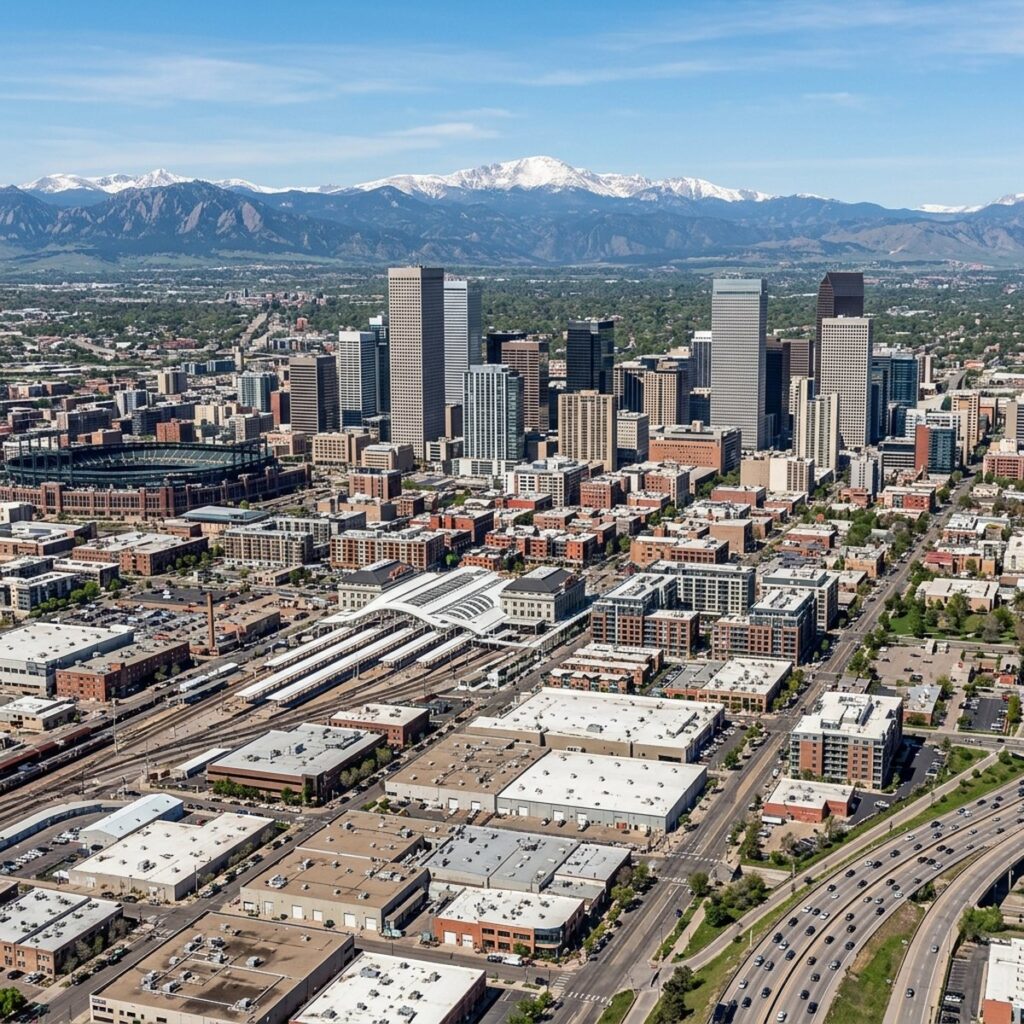
  • Foundation Walls & Footings
  • Below-Grade Parking Structures
  • Elevator Pits & Below-Grade Vaults
  • Plaza & Podium Decks Over Occupied Space
  • Retaining Walls
  • New Construction & Major Renovation Projects
Strong Contractors' Approach to Below-Grade Waterproofing

One Shot to Get It Right.

Below-grade waterproofing gets one chance to be right — once it’s backfilled or covered, a failure means excavation or demolition to fix. We pressure-test and inspect every seam and transition before the work is covered.

That verification step is what protects you from a callback that costs ten times more than getting it right the first time.

  • Certified Applicators
    Our crews are trained and certified on sheet-applied and fluid-applied below-grade systems.
  • Full-System Warranties
    Manufacturer-backed warranties covering material and labor, with terms up to 15 years.
  • Quality Documentation
    Every seam and transition is inspected and photographed before backfill or deck installation.
  • Local Expertise
    We spec systems for Colorado's soil and groundwater conditions on every project.
Fit Check

Does your project need below-grade waterproofing?

Usually a Good Fit

  • The structure sits at or below the groundwater level, or the soil drains poorly
  • Occupied rooms, parking, electrical or process equipment sit below grade
  • The project has elevator pits, sumps, machine pits, tunnels or utility vaults
  • A plaza, podium or landscaped deck sits over occupied space
  • The foundation is still open, before backfill or the next pour

Usually Not a Fit

  • The wall only sees occasional soil moisture with no water pressure; dampproofing may meet the code requirement
  • The surface is exposed and above grade; an air and vapor barrier or coating is the right system
  • The building is occupied and the exterior cannot be excavated; that calls for an interior repair approach
Our Process

From Drawings to Backfill

Below-grade work fits into a construction schedule controlled by other trades. These are the steps we take to keep the membrane intact from the first detail to the last load of fill.

  1. Review the Drawings and Soils Data

    We read the waterproofing specification, the geotechnical report and the structural drawings together, looking for groundwater levels, joint locations and conflicts between details before anything is built.
  2. Coordinate the Sequence

    Concrete, shoring, plumbing and backfill crews all touch the wall. We agree on pour schedules, cure times and who protects the membrane, so no trade buries or damages work before it is checked.
  3. Prepare the Concrete

    Form ties are cut back, voids and honeycombing are filled and sharp edges are ground smooth. The surface must be clean, sound and dry enough for the product to bond.
  4. Detail the Weak Points First

    Footing transitions, cold joints, inside corners, tie holes and pipe penetrations get reinforcement before the field membrane goes on. Most below-grade leaks start at one of these spots.
  5. Apply the Field Membrane

    Sheets are lapped and rolled, or fluid membrane is built up to the required thickness, which is checked with a gauge as the work proceeds.
  6. Protect, Drain and Hand Over

    Protection board or drainage composite goes over the membrane, tied into the footing drain where designed. We release each area to the backfill crew with records of what was installed.
System Specs

Typical Below-Grade System Options

SpecTypical Value
System typesTypical: sheet-applied (self-adhered), fluid-applied or bentonite membranes
Application sidePositive (outside) face where excavation allows
Tight sitesTypical: blindside (pre-applied) membrane against shoring at property lines
ProtectionProtection board or drainage composite before backfill
DrainageDrainage composite tied into a footing drain, as designed
Quality controlThickness checks, detail inspection and photo records before covering
Horizontal decksFlood or electronic leak testing where specified
Pricing

What Drives the Cost

Below-grade waterproofing costs far less to install correctly than to repair after the structure is buried. These factors drive the installed price.

  • Water Pressure and Soil Conditions

    A high water table calls for a heavier system, more reinforcement and better drainage than a site with dry, well-draining soil.

  • System Type and Thickness

    Sheet, fluid-applied, bentonite and blindside membranes differ in material cost, labor and the substrate prep each one needs.

  • Number of Details

    Pits, sumps, penetrations, cold joints and wall-to-footing transitions take far more labor per square foot than a plain wall.

  • Access and Sequencing

    Narrow excavations, shoring, deep pits and work that must be split around other trades' schedules add mobilizations and time.

  • Testing and Documentation

    Flood tests, electronic leak detection and detailed QA records add cost, but they are often required on decks over occupied space.

Compare Options

Below-Grade Waterproofing vs. Air and Vapor Barriers vs. Polyurea

Below-Grade WaterproofingAir & Vapor Barrier SystemsPolyurea Coatings
Where it goesFoundations, pits and decks below groundAbove-grade wall assembliesExposed concrete, steel and tanks
What it stopsGroundwater under pressureAir leakage and vapor movementWater, abrasion and chemicals
Typical materialsSheet, fluid-applied or bentoniteFluid-applied or self-adheredSpray-applied polyurea
InstalledBefore backfill or topping slabBefore cladding goes onDuring construction or a shutdown
Access afterBuried; hard to reachBehind claddingUsually exposed
FAQ

Below-Grade Waterproofing Questions

What is the difference between waterproofing and dampproofing?

Waterproofing resists water under pressure; dampproofing only slows moisture moving through soil. Building codes generally require true waterproofing where groundwater can push against the wall, and allow dampproofing where it cannot. The geotechnical report and the design team set which one applies, and we install to that requirement.

When should below-grade waterproofing be installed?

During construction, after the concrete is ready and before backfill or the topping slab. That is the only time the outside of the wall is fully reachable. Adding it later means excavating around an occupied building, which costs more and disrupts the site. Plan it into the schedule early.

Should I use a sheet-applied or fluid-applied membrane?

Both work when installed correctly. Sheet membranes give a factory-controlled thickness and suit large, flat walls. Fluid-applied membranes form a seamless coat and handle complex shapes, penetrations and tight corners well. Many projects use both, with fluid-applied material at details and sheets across the field.

Can you waterproof a foundation that is already leaking?

Yes, though the approach depends on access. Excavating and waterproofing the exterior face is the most reliable fix because it stops water before it enters the concrete. When the outside cannot be reached, interior treatment or crack injection is a separate approach with its own limits. We assess the site before recommending either.

Why does below-grade waterproofing fail?

Most failures start at details, not in the middle of the wall. Common causes are unreinforced footing transitions, poorly sealed penetrations, membrane damaged by backfill or other trades, and drainage that lets water sit against the wall. Inspection before covering and protection board during backfill prevent most of them.

Do you waterproof industrial pits, sumps and tunnels?

Yes. Below-grade scopes include machine pits and heavy equipment foundations, underground tanks and sumps, wastewater basements, pipe trenches, conduit galleries and tunnels. These areas often combine groundwater with chemicals or vibration, so the membrane, protection and details are selected for those exposures as well as the water.

Do you work on semiconductor and other technical facilities?

Yes. Strong has worked on large new-construction semiconductor and technical facilities, where below-grade waterproofing sits alongside roofing, air and vapor barriers and coatings in one tightly coordinated schedule. On these projects, strict security, documentation and sequencing with other trades matter as much as the membrane itself.

Related Services

Explore More Specialized Services Solutions

Air & Vapor Barrier Systems

Read More

Ballast Removal

Read More

Emergency Roof Repair (Colorado Only)

Read More