Ballast Removal

What Is Ballast Removal?

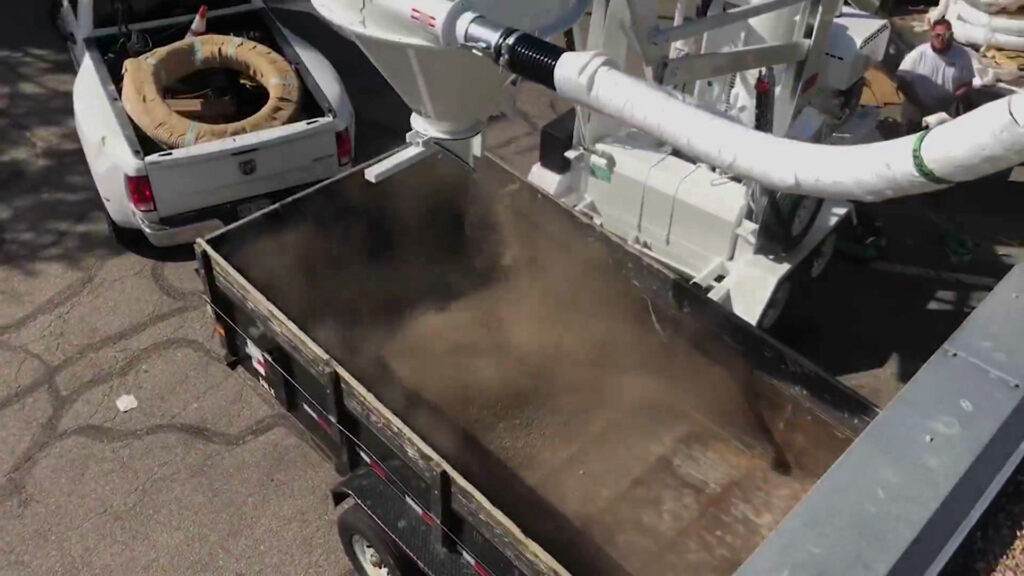
Ballast removal clears the river rock or pavers from a ballasted roof so the membrane underneath can be inspected, restored, recovered or replaced. Strong removes rock from 0.75 inch to 2.5 inches with dedicated vacuum equipment, which is faster and creates less dust and manual handling than shovels and wheelbarrows. The rock can then be reused, recycled or hauled away.

Clean removal, ready for what's next

Ballasted roofs use loose stone or paver ballast to hold the membrane in place, and before any re-roof, recover, or inspection can happen, that ballast has to come off safely and completely.

We remove and dispose of aggregate ballast using mechanical scoop equipment where roof access allows, minimizing the manual labor and timeline of a full hand-removal.
  • Ballasted EPDM Re-Roof Prep
  • Roof Replacement & Recover Projects
  • Roof Inspections Requiring Ballast Clearing
  • Warehouse & Distribution Facilities
  • Manufacturing & Industrial Plants
  • Multi-Building Commercial Properties
Vacuum truck hose emptying river rock ballast into a dump trailer beside a pickup truck
Strong Contractors' Approach to Ballast Removal

Planned Before the First Scoop.

Ballast removal looks simple until you’re managing dust, disposal logistics, and roof loading on an occupied building. We plan the removal and disposal route before the first scoop, keeping the site clean and the schedule on track.

That planning is what keeps ballast removal a fast first step instead of a bottleneck on your project.

  • Mechanical Removal Equipment
    We use scoop equipment to clear ballast faster and with less manual labor than hand removal.
  • Full Disposal Included
    Aggregate is hauled and disposed of properly — nothing left behind on site.
  • Minimal Site Disruption
    We plan removal routes and staging to keep occupied buildings running during the work.
  • Local Expertise
    We coordinate ballast removal around Colorado weather windows and site access constraints.
Fit Check

Does your ballasted roof need the rock removed?

Usually a Good Fit

  • A ballasted EPDM or TPO roof is due for restoration, recover or replacement
  • Leaks need tracing, and the membrane is buried under stone
  • The roof is an IRMA assembly, with insulation and rock above the membrane
  • A tar-and-gravel roof is being prepared for spray foam or another new system
  • Shifted rock has piled up, blocked drains or left membrane exposed

Usually Not a Fit

  • A small, local repair where a few square yards of rock can be moved by hand
  • The ballast is concrete pavers, which need hand or crane handling instead of vacuum
  • The next phase of work is not ready, so the membrane would sit exposed without its ballast
Our Process

From Rock to Ready Roof

We plan rock removal backward from the next phase of the roof, because bare membrane should not sit exposed for long. A typical project runs like this.

  1. Assess the Roof and the Next Phase

    We confirm the roof type, rock size and depth, drains and access, along with the scope that follows: restoration, recover or replacement. That sets how much rock comes off, and when.
  2. Stage the Equipment and Protect the Site

    Vacuum equipment is set up for the shortest practical reach to the roof. Entrances, parking and air intakes near the work are protected so occupants and operations keep moving.
  3. Vacuum the Ballast in Sections

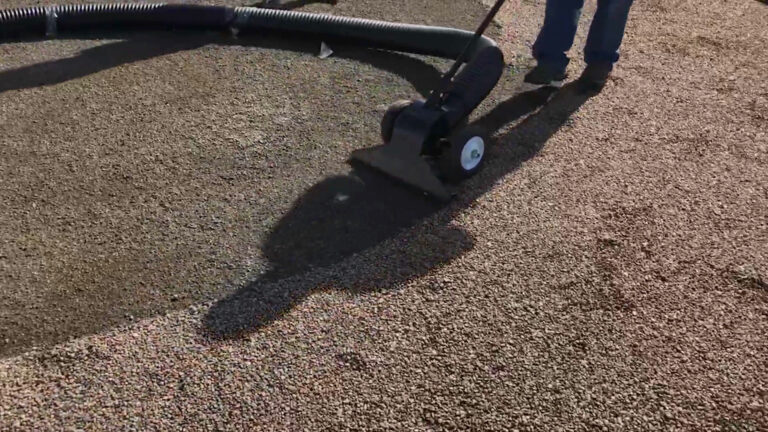
    River rock is pulled off the roof by vacuum, with no shovels or wheelbarrows. Sections are sized so exposed membrane can be secured or moved straight into the next phase of work.
    Worker guiding a wheeled vacuum head over river rock ballast on a flat roof, the hose trailing behind
  4. Clear Pavers, Edges and Tight Spots

    Pavers, rock packed against curbs and areas around rooftop equipment are cleared by hand. When a crane is not an option, material can leave through the building.
  5. Sweep and Inspect the Membrane

    The cleared surface is swept so the membrane can be seen. Punctures, open seams and wet areas that were hidden under the stone are recorded for the owner and the crew doing the next phase.
  6. Reuse, Recycle or Haul Away

    Depending on the scope, rock is set aside for reuse on the finished roof, sent for recycling or hauled off for disposal. Reuse cuts waste and cost when the new system is designed to carry ballast.
System Specs

Typical Ballast Removal Scope

SpecTypical Value
Removal methodDedicated vacuum equipment
Rock size handled0.75 in. to 2.5 in. river rock
Roof typesBallasted single-ply, IRMA and tar-and-gravel roofs
PaversRemoved separately, by hand or crane
Typical ballast loadTypical: about 10 lb per sq ft or more
Rock dispositionReuse, recycling or disposal
Follow-on workRestoration, recover or replacement
Pricing

What Drives the Cost

Ballast removal is priced by volume, reach and what happens to the rock afterward. These are the main drivers.

  • Rock Volume

    Roof area and ballast depth set the tonnage. Deep or uneven rock, common where ballast has shifted over the years, adds volume.

  • Reach and Access

    Building height, how close equipment can park and the roof layout set how far the vacuum has to reach and how often it moves.

  • Pavers and Hand Work

    Pavers, rock packed against curbs and areas around equipment need hand removal, which is slower than vacuum work.

  • Where the Rock Goes

    Reuse on the finished roof, recycling and landfill disposal each carry different handling, hauling and fee costs.

  • Sequencing With the Next Phase

    Removing rock in sections that match the next crew's pace takes more coordination but keeps the membrane from sitting exposed.

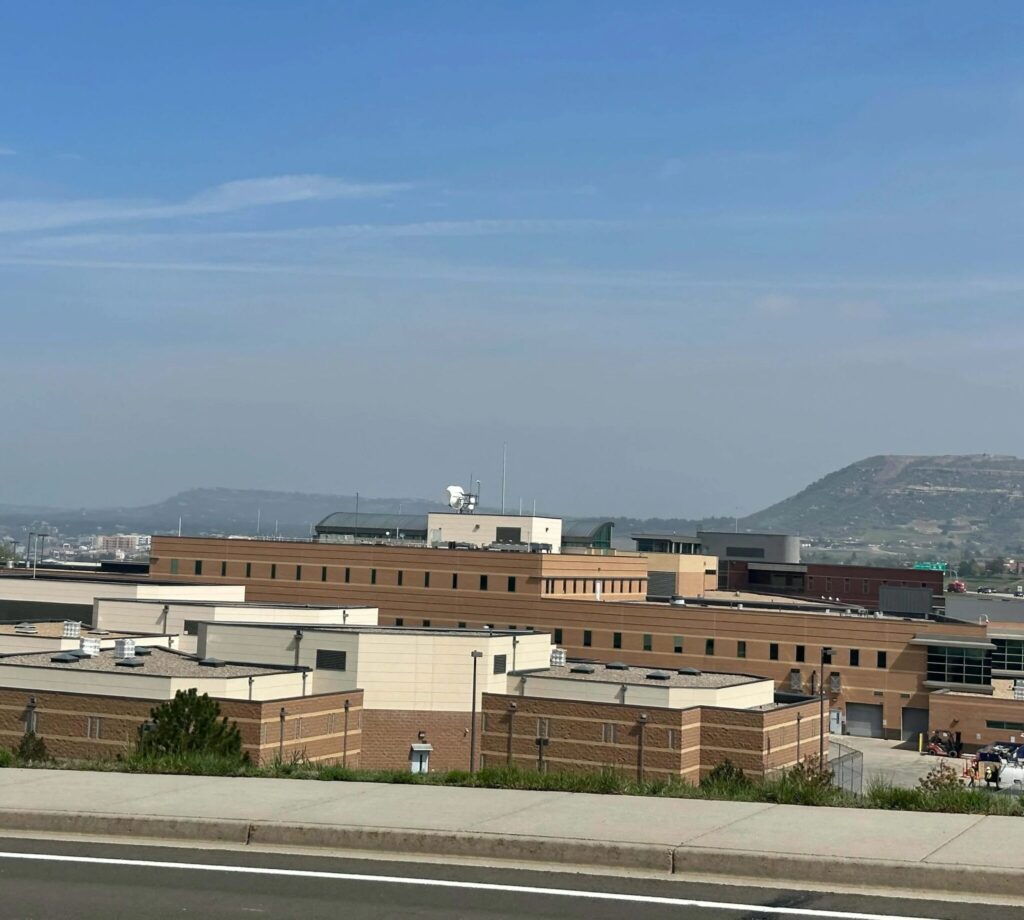
Douglas County Justice Center campus buildings
Featured Project

Douglas County Justice Center

Re-roofing of a courthouse and county jail: a liquid coating over the existing ballasted EPDM membrane, a protective mat, and the original river rock ballast reused.
View Case Study
Outside Colorado?

We Bring Our Crews to the Job

Strong Contractors takes on spray foam, coating, and ballast removal projects outside Colorado, bringing our own crews, equipment, and project management to the job. Before we bid an out-of-state project, we confirm that state’s licensing, registration, and permit requirements so the work moves forward cleanly.

Discuss Your Project
FAQ

Ballast Removal Questions

Why do you need to remove ballast before reroofing?

Because the membrane under the rock is what is being inspected, restored or replaced. Ballast hides punctures, open seams and wet areas, and a coating or recover cannot bond to a surface covered in stone. Removal also takes a significant dead load off the roof, which matters when the new system weighs less.

How is rock ballast removed from a commercial roof?

Strong uses dedicated vacuum equipment for river rock from 0.75 inch to 2.5 inches, and has completed numerous large-scale commercial ballast removal projects this way. Crews do not shovel stone into wheelbarrows and carry it across the roof. That makes removal faster, keeps dust and debris down and cuts the manual handling that puts workers at risk.

Can a ballasted roof be restored instead of torn off?

Often, yes. At the Douglas County Justice Center, a courthouse and county jail sat under a ballasted EPDM roof. Strong applied a liquid coating over the existing membrane, laid a protective mat over it to resist punctures and put the original river rock back. Coating over the membrane instead of tearing it off was planned to minimize both buildings’ exposure to the elements during reroofing. The project led to a five-year contract with the county.

Can your crews work on a secure government building?

Yes. Strong’s employees are background-checked, so crews can be cleared for government sites. On the Douglas County Justice Center, a crew of 16 passed background checks to work above the courthouse and jail. The county’s facilities manager noted the job stayed on schedule and within budget with no change orders.

What is an IRMA roof, and can its ballast be removed?

An IRMA, or inverted roof membrane assembly, places the insulation above the waterproofing membrane, with ballast holding the insulation down. Strong removes ballast from IRMA roofs as well as standard ballasted single-ply roofs. Once the rock is off, the insulation boards can be lifted to reach the membrane, then reused or replaced if damaged.

How do you remove concrete pavers from a roof?

Pavers are handled separately from rock, usually by hand or by crane. At UCHealth Memorial Hospital, a crane would have interfered with helicopter landings, so crews removed 964 concrete pavers, each weighing 40 pounds, by hand and carried them out through the building on elevators.

How much does roof ballast weigh?

Rock ballast typically weighs about 10 pounds per square foot or more, depending on stone size and depth. On a 50,000-square-foot roof, that is roughly 250 tons of stone. That weight is also what holds a loose-laid membrane down in the wind, so rock should come off only as fast as the next phase can secure the roof.

Is gravel removal different on a tar-and-gravel roof?

Yes. On a built-up tar-and-gravel roof, much of the gravel is set into the asphalt, so the loose stone comes off first and the surface is prepared for the new system. Strong took that step on a tar-and-gravel roof at Eglin Air Force Base before the new spray foam and urethane system went on.

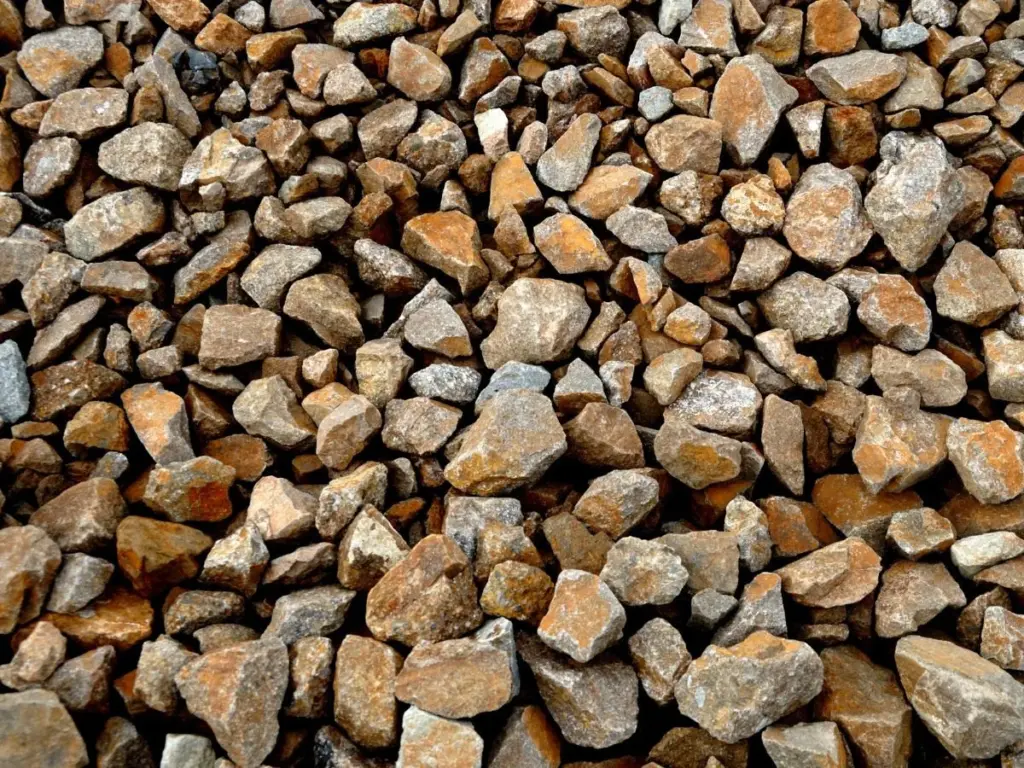
Commercial ballasted roof covered with river rock ballast
Featured Article

What is a Ballasted Roof System? Everything You Should Know

Gravel on a roof is not there for looks. On a ballasted roof, the weight of the stones holds the membrane in place, with no glue or fasteners.

Read the Article
Related Services

Explore More Specialized Services Solutions

Air & Vapor Barrier Systems

Read More

Below-Grade Waterproofing

Read More

Emergency Roof Repair (Colorado Only)

Read More