Single-ply membranes dominate commercial low-slope roofing for good reason — they’re fast to install, durable, and cost-effective across a wide range of building types. But ‘single-ply’ covers two materials with genuinely different properties, and picking between TPO and EPDM should come down to your building’s specific conditions, not just whichever one your last roof happened to be.
TPO: Reflective, Weldable, Built for Heat and UV
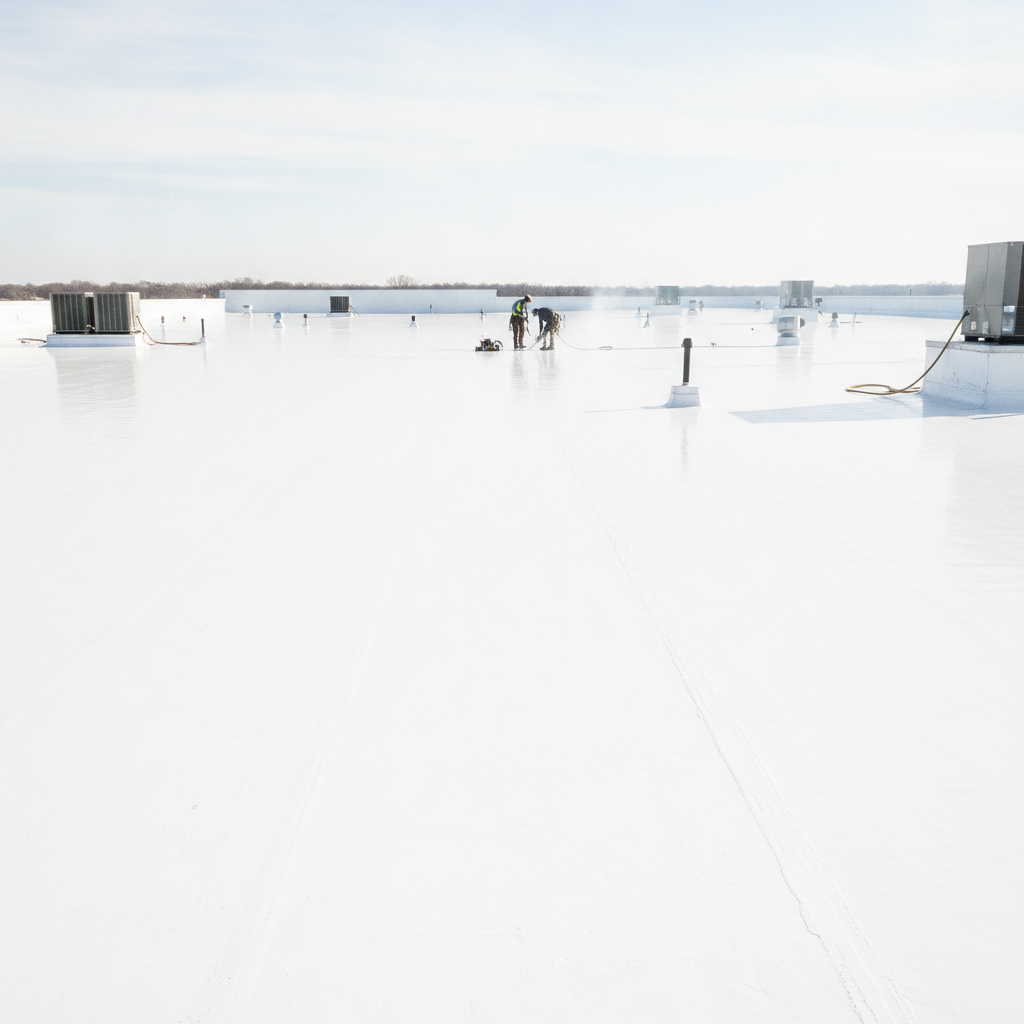
TPO (thermoplastic polyolefin) is a reflective white membrane that’s become the default choice for a large share of new commercial roofs, and the reasons are practical. Its heat-welded seams create a genuinely monolithic surface rather than relying on adhesives or tape, which means fewer long-term seam failures. Its reflectivity also reduces rooftop heat load, which matters both for cooling costs and for extending the life of rooftop HVAC equipment.
Where TPO tends to make the most sense: buildings with significant rooftop equipment, facilities looking to reduce cooling costs, and roofs in climates with heavy UV exposure.
EPDM: Proven, Flexible, Forgiving in Cold
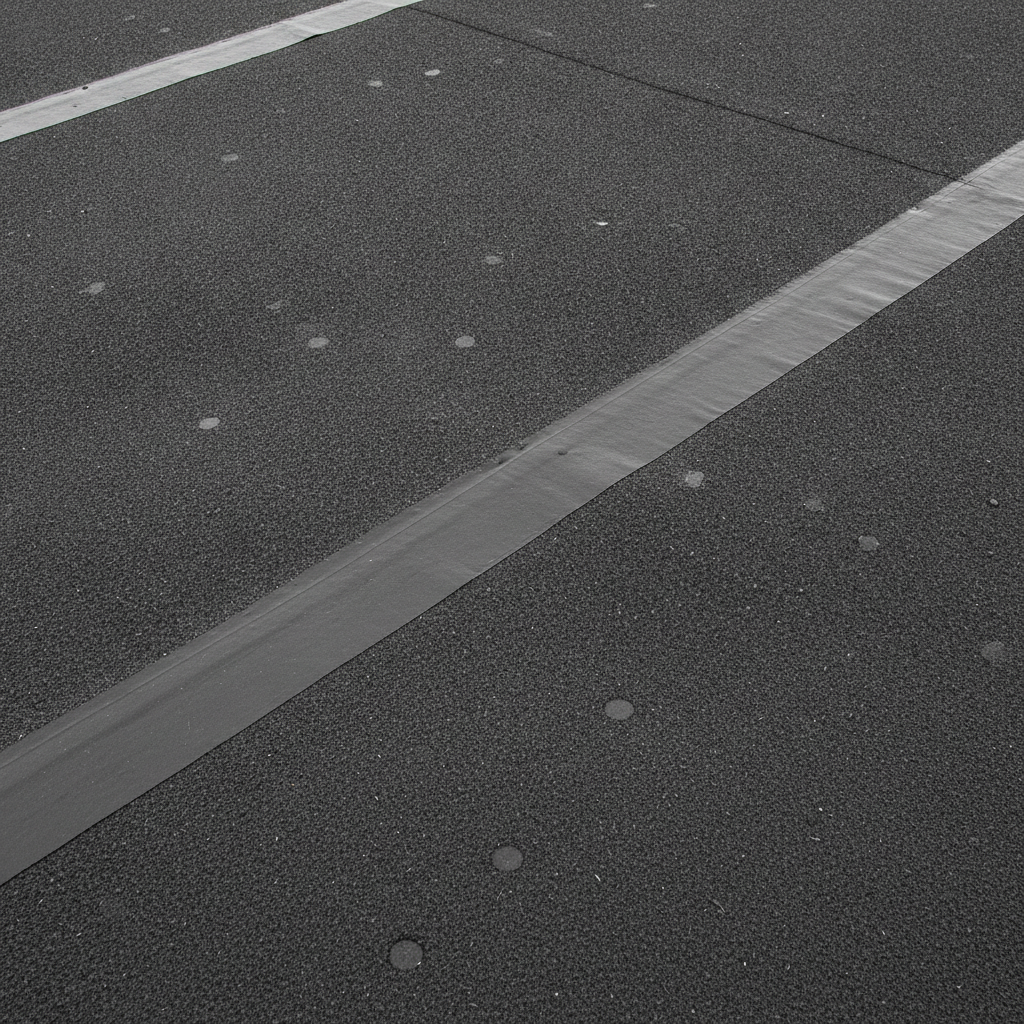
EPDM (ethylene propylene diene monomer) is a black rubber membrane with one of the longest track records in the industry — it’s been a commercial roofing standard for decades. Its biggest practical advantage is flexibility across temperature swings, which makes it particularly well suited to buildings in regions with harsh freeze-thaw cycles or wide seasonal temperature ranges. It’s also less sensitive to certain rooftop chemical exposures than some TPO formulations, which can matter for specific industrial applications.
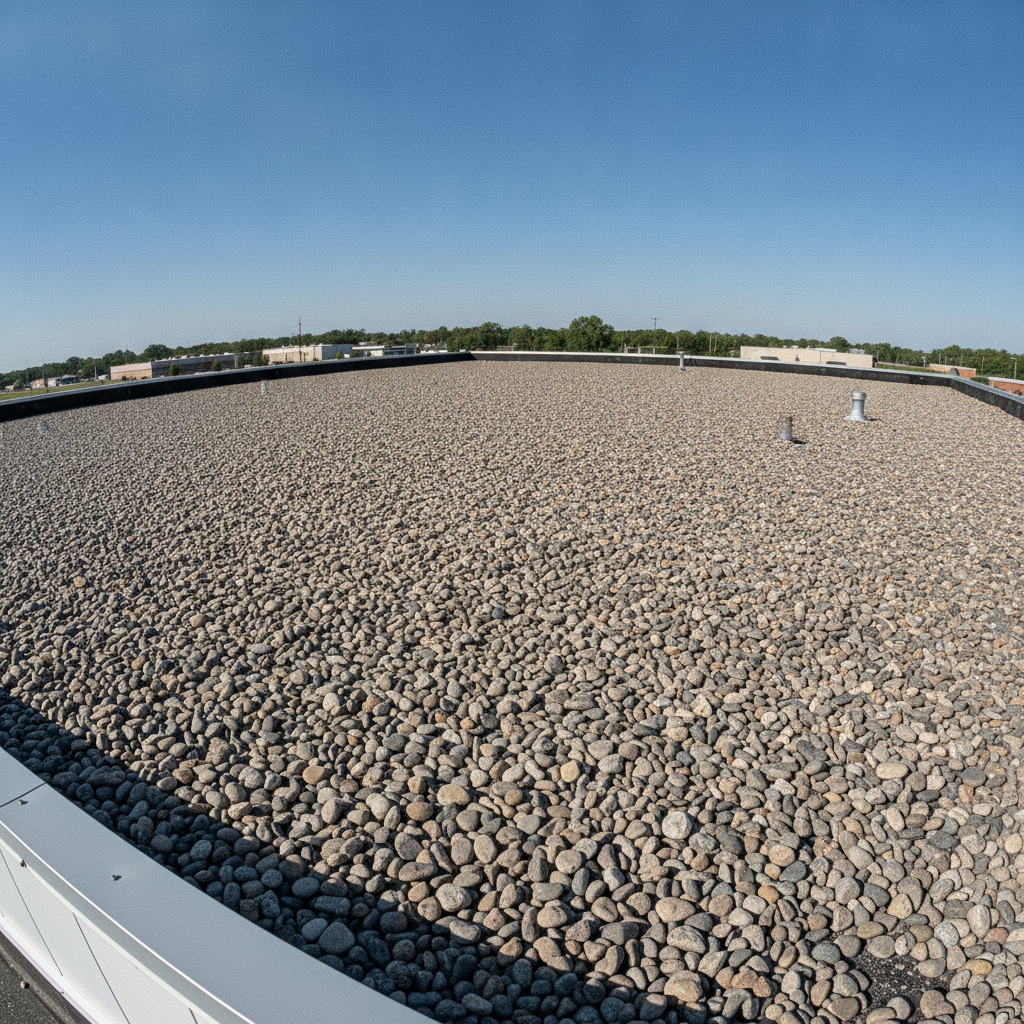
Where EPDM tends to make the most sense: climates with extreme cold, buildings where flexibility and long-term material stability outweigh reflectivity, and re-roofs where the existing substrate favors an adhered or ballasted rubber system.
The Real Decision Factors
In practice, the right system depends on your roof’s slope and drainage, the building’s HVAC load, regional climate, and what’s underneath the existing membrane if this is a re-roof rather than new construction. We self-perform both systems with our own crews, so the recommendation you get is based on what’s actually right for your building — not on which material happens to be easier for a particular subcontractor to install.