Polyurethane Coatings

What Is a Polyurethane Coating?

Polyurethane coatings are tough, flexible films that do two jobs: a UV-stable topcoat over epoxy on steel and concrete, and a roof coating that handles foot traffic, thermal movement and ponding water. They are the right call when an exposed surface must keep its color and protection in full sun, or when a roof needs a hard-wearing finish.

Flexible, UV-stable protection for industrial substrates

Polyurethane coatings combine the hardness of epoxy with better UV stability and flexibility, making them a strong topcoat choice for steel, concrete, and metal surfaces exposed to sunlight and temperature swings.

We apply polyurethane systems as standalone protective coatings or as a UV-stable topcoat over epoxy basecoats, matched to the exposure and traffic on each surface.
  • Manufacturing & Industrial Plants
  • Exterior Structural Steel
  • Equipment & Tank Exteriors
  • Metal Roof & Wall Panels
  • Loading Docks & Exterior Platforms
  • Topcoats Over Epoxy Basecoats
Strong Contractors' Approach to Polyurethane Coatings

Built as a System, Substrate to Topcoat.

Polyurethane topcoats are only as good as the system underneath them — the wrong basecoat or skipped surface prep shows up as early chalking or delamination. We build the full coating system to spec, from substrate prep through topcoat.

That system-level approach is why our polyurethane coatings hold their color and protection for years in full Colorado sun.

  • Certified Applicators
    Our crews are trained and certified on polyurethane coating systems for industrial substrates.
  • Full-System Warranties
    Manufacturer-backed warranties covering material and labor, with terms up to 10 years.
  • Quality Documentation
    Mil thickness and surface prep are checked and photographed before and after application.
  • Local Expertise
    We spec UV-stable formulations for Colorado's high-altitude sun exposure.
Fit Check

Is a polyurethane coating right for your facility?

Usually a Good Fit

  • Exterior steel, tank exteriors and equipment that need a color-fast finish over an epoxy or zinc-rich primer
  • Low-slope roofs where water ponds after a storm, including spray foam roofs
  • Roof areas crossed often by maintenance crews servicing equipment
  • Rooftops and platforms exposed to oils and airborne process residue
  • Surfaces that expand and contract with wide daily temperature swings

Usually Not a Fit

  • Damp substrates or humid days with no weather window, where moisture can cause bubbling and pinholes
  • Roofs already coated with silicone, since most coatings, urethane included, will not bond to cured silicone
  • Jobs that need a thick single-pass build or same-day return to service, where polyurea usually fits better
  • Immersion linings and secondary containment, where epoxy or polyurea is usually specified
Our Process

How We Apply a Polyurethane System

In most jobs, polyurethane is one layer of a larger system rather than the whole system. The steps below cover industrial topcoats and roof-grade urethane alike.

  1. Define the System

    We confirm whether the job is an industrial topcoat over a primer or a roof coating over foam or an existing roof, then select compatible products from one manufacturer's system.
  2. Prepare the Surface

    Steel and concrete are cleaned and profiled to spec. On roofs, loose gravel and failed material come off, and the surface is cleaned, dried and repaired before coating.
  3. Read the Weather Window

    Polyurethane reacts with moisture, so we check humidity, dew point and surface temperature before every coat and hold work when conditions fall outside the product's limits.
  4. Control Overspray

    Near parked vehicles, buildings and running equipment, we mask and screen downwind areas and choose spray, brush or roller based on wind and what is nearby.
  5. Build the Coats

    Base coats and topcoats go on in measured passes. On roofs and walkways, granules are broadcast into the wet coat for traction and added weather resistance.
  6. Close Out

    We check thickness and coverage across the field, edges and penetrations, then turn over a record of the finished system for your maintenance team.
System Specs

Typical Polyurethane Coating Specs

SpecTypical Value
Common formsTwo-component aliphatic topcoats; aromatic and moisture-cure roof grades
Role in systemStandalone coating or UV-stable topcoat over epoxy or zinc-rich primer
Roof useOver spray foam or existing roofs; tolerates ponding water
Topcoat filmTypical: 2 to 5 mils dry per coat (industrial topcoats)
Surface finishSmooth, or granules broadcast for traction
Application windowTypical: surface at least 5°F above dew point
Application methodsSpray, brush or roller
Pricing

What Drives the Cost

A polyurethane quote reflects the condition of what lies underneath it and how much control the site demands while the coating goes on.

  • Existing Surface

    Loose gravel, failed coatings or wet insulation must come off before any coating goes on. The more that has to be removed, the larger the prep scope.

  • Number of Coats

    A single topcoat over sound epoxy costs far less than a full primer, base coat and topcoat on bare steel or a complete roof recover.

  • Overspray Risk

    Vehicles, buildings and equipment close to the work mean more masking and screening, and sometimes roller application, which slows production.

  • Traffic Areas

    Granule broadcast, walkway paths and extra thickness in traffic lanes add material and labor.

  • Site Access and Security

    Secure facilities can add background checks, escorts, paperwork and schedules that shift with daily operations.

Compare Options

Polyurethane vs. Silicone vs. Epoxy

Polyurethane CoatingsSilicone Roof CoatingsEpoxy & Protective Coatings
Where it fitsExposed steel, roofs, walkwaysLow-slope roof restorationFloors, linings, primers
Ponding waterToleratesToleratesNot used as a roof coating
Foot trafficHigh abrasion resistanceSofter; lower abrasion resistanceHigh, mostly interior
SunlightAliphatic grades hold colorHighly UV-stableChalks without a topcoat
Recoating laterWith compatible urethaneTypically only with siliconeWithin recoat window or after sanding
Dirt pickupLowCan hold dirt over timeLow indoors
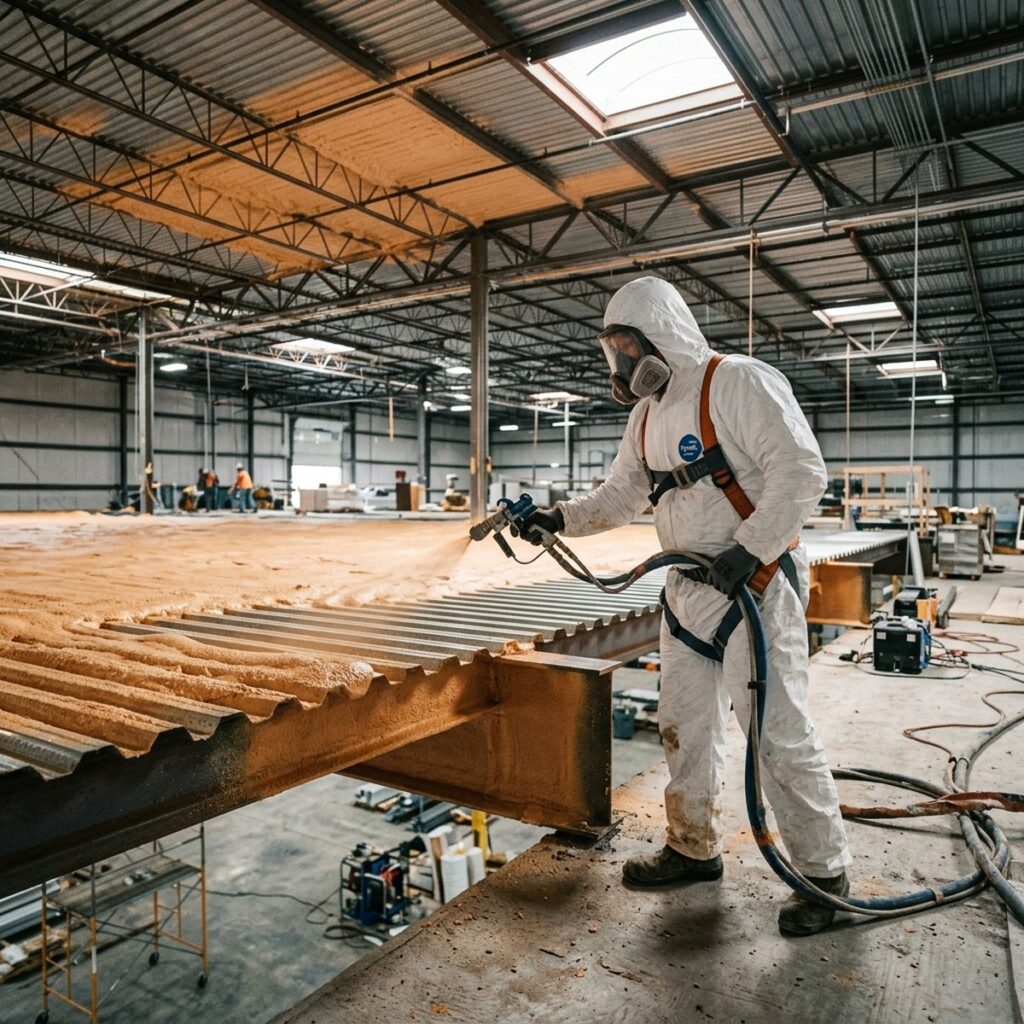
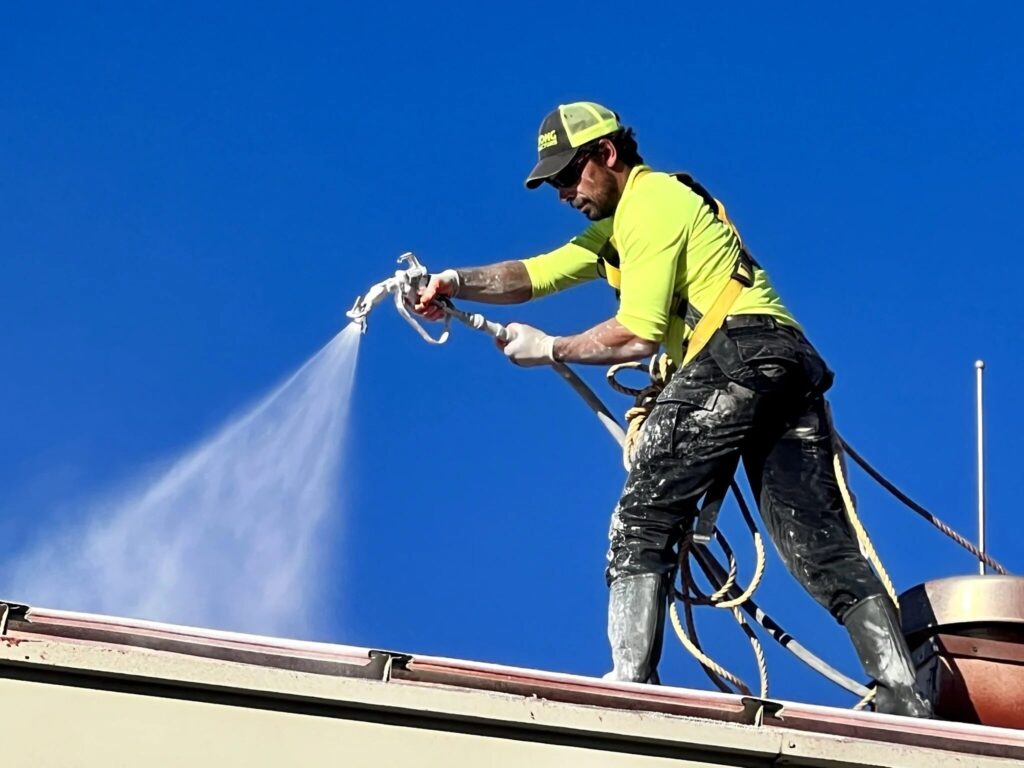
Applicator in safety gear spraying coating at a roof edge
Featured Project

Eglin Air Force Base

Multiple facilities, including a data center and an ammunition facility: gravel removed from the tar and gravel roofs, then spray foam insulation and a granule-surfaced urethane coating.
Eglin Air Force Base, FL
View Case Study
Outside Colorado?

We Bring Our Crews to the Job

Strong Contractors takes on spray foam, coating, and ballast removal projects outside Colorado, bringing our own crews, equipment, and project management to the job. Before we bid an out-of-state project, we confirm that state’s licensing, registration, and permit requirements so the work moves forward cleanly.

Discuss Your Project
FAQ

Polyurethane Coating Questions

What is the difference between polyurethane and polyurea coatings?

Both come from isocyanate chemistry, but they cure differently. Polyurethane cures over hours, which allows brush and roller work and smooth, thin films. Polyurea cures in seconds and needs a heated plural-component spray rig, which suits thick, fast builds. Polyurethane is often the exposed topcoat; polyurea is usually chosen for tanks, containment and quick turnarounds.

Why put a polyurethane topcoat over epoxy?

Epoxy is a strong, chemical-resistant base, but it chalks and fades in sunlight. An aliphatic polyurethane topcoat holds its color and gloss outdoors and shields the epoxy underneath. The pairing is common on exterior structural steel, tank exteriors and equipment, where you need both corrosion protection and a finish that lasts in the sun.

Are urethane roof coatings good for ponding water?

Yes. Urethane roof coatings handle ponding water and thermal movement, which is why urethanes and silicones are the usual choice over spray foam on flat roofs. Urethane also has the strength and adhesion to stand up to foot traffic, so it works well on roofs where crews regularly walk to service rooftop equipment.

Can you coat over an old tar-and-gravel roof?

Often, if the roof is a sound candidate. At Eglin Air Force Base in Florida, we removed the loose gravel from an existing tar-and-gravel roof, applied spray foam insulation and finished with a urethane coating with granules broadcast into it. That system was chosen to handle the coastal climate and meet the base’s performance requirements.

Can polyurethane be applied in humid weather?

Only within the product’s limits. Polyurethane reacts with moisture, so high humidity or a damp surface can cause bubbling, pinholes or a weak bond. We check surface temperature against the dew point before each coat. On humid sites with frequent showers, that means planning the schedule around short weather windows.

How do you keep overspray off nearby cars and buildings?

We plan for it before the first coat: checking wind speed and direction, masking and screening what sits downwind, asking for vehicles to be moved, and switching to brush or roller near sensitive areas. Where vehicles and buildings sit close to the work, those checks repeat every day of the job.

Do you work on military and other secure sites?

Yes. At Eglin Air Force Base, our work covered multiple facilities, including a data center and an ammunition facility. Our employees undergo background checks, which allows us to take on government projects. Secure sites bring strict safety protocols, extensive paperwork and schedules that change with operations, and we plan the coating work around all three.

Related Services

Explore More Industrial Coatings Solutions

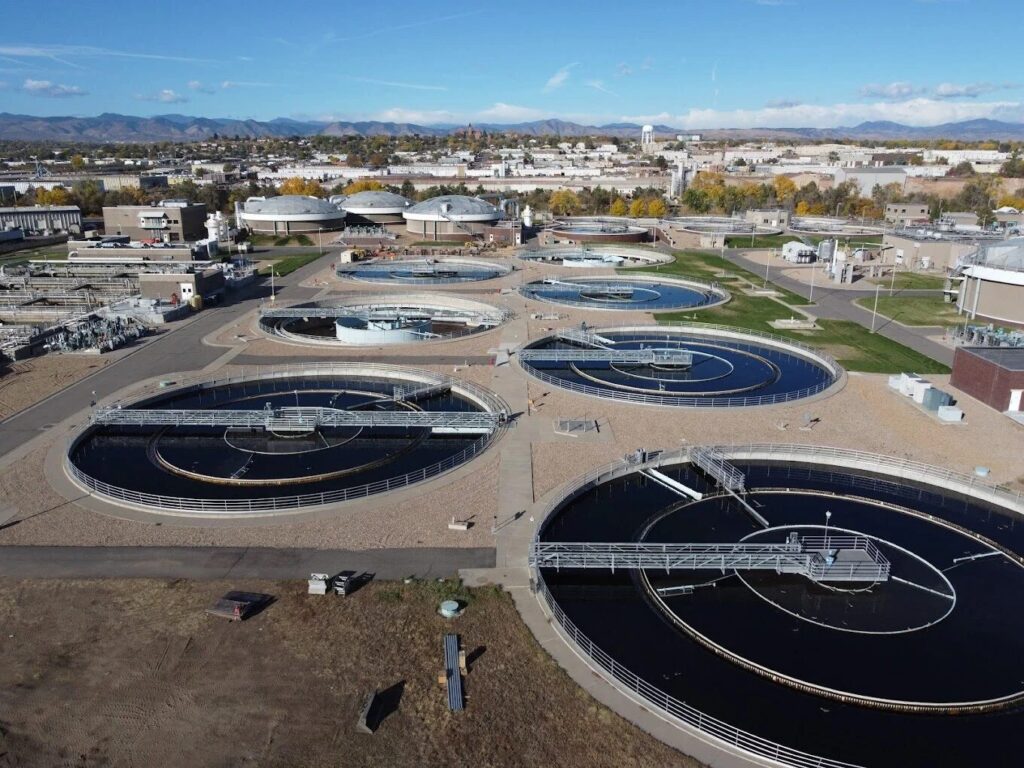
Aerial view of the South Platte Renew wastewater treatment plant

Polyurea Coatings

Read More

Epoxy & Protective Coatings

Read More