Polyurea Coatings

What Is a Polyurea Coating?

Polyurea is a plural-component elastomer, sprayed hot at a fixed mix ratio, that cures in seconds to minutes. It suits water and wastewater tanks, containment, decks and roofs that hold water or must return to service fast. It is the right call when the shutdown window is tight and the surface flexes, provided the substrate is blasted or ground to spec first.

Fast-cure protection for high-traffic surfaces

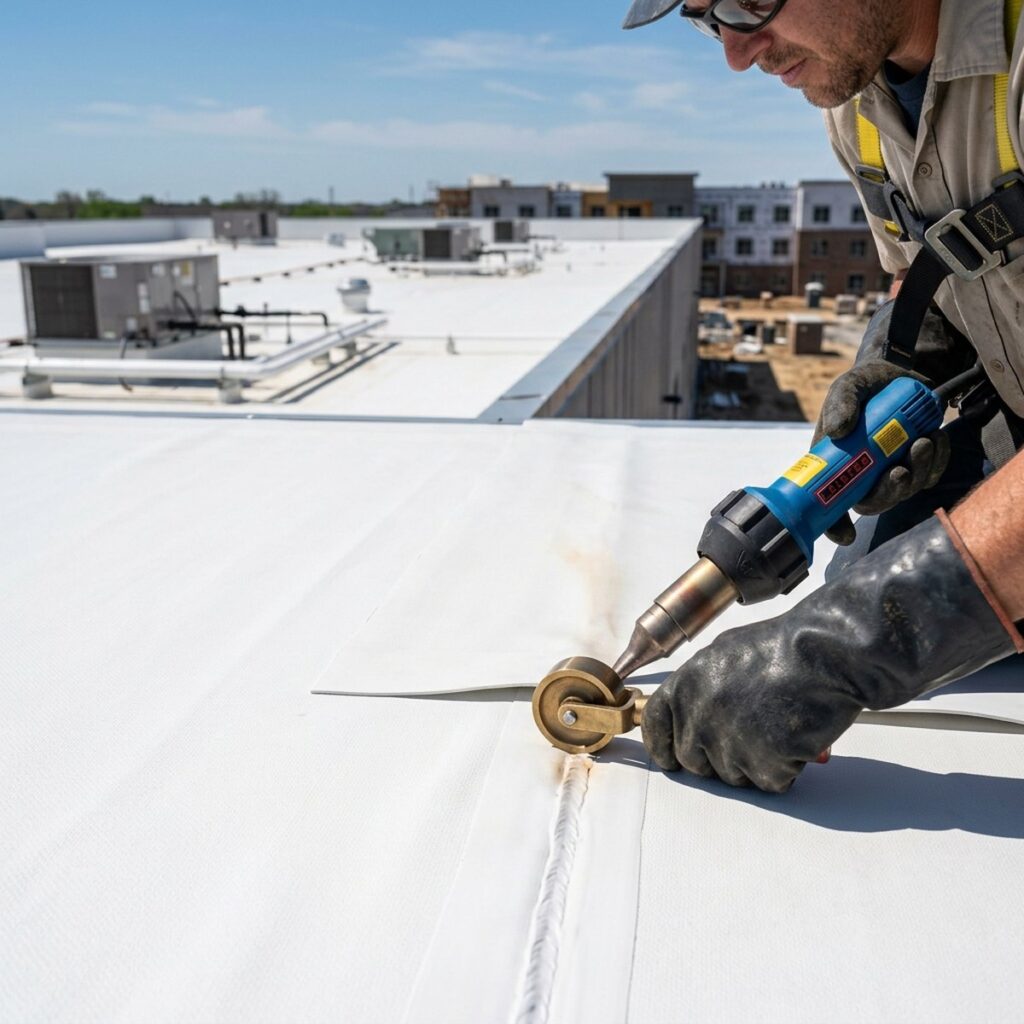
Polyurea coatings cure in seconds to minutes, not hours, letting us return parking decks, plazas, and walkways to service faster than any other coating system. Once cured, polyurea resists abrasion, chemicals, and UV exposure better than most alternatives.

We apply pedestrian and vehicular-grade polyurea systems on parking structures, plaza decks, and traffic-bearing surfaces, matching texture and slip resistance to the surface’s use.
  • Parking Structures & Garages
  • Plaza & Podium Decks
  • Loading Docks & Ramps
  • Pedestrian Walkways & Balconies
  • Industrial Floors with Heavy Traffic
  • Roofs Requiring Fast Return-to-Service
Where We Apply It

The Industries That Rely on Polyurea

From wastewater tanks to factory floors, polyurea goes where a surface has to stay sealed under traffic, moisture or chemical splash.

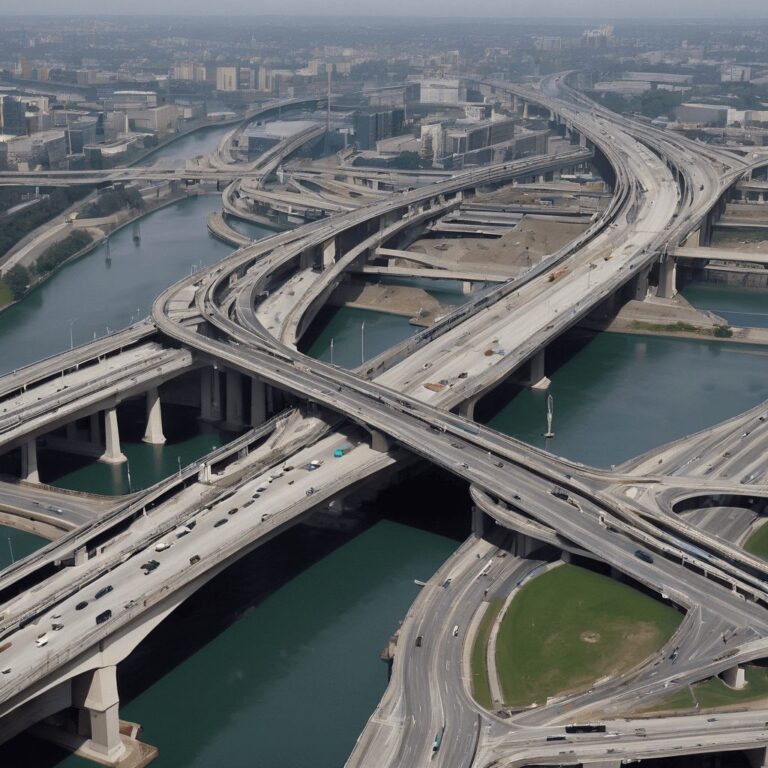
  • Aerial view of a multi-level highway interchange crossing a river

    Infrastructure and Municipal

    Public water systems, transportation structures and municipal buildings get a coating built to keep them in service.

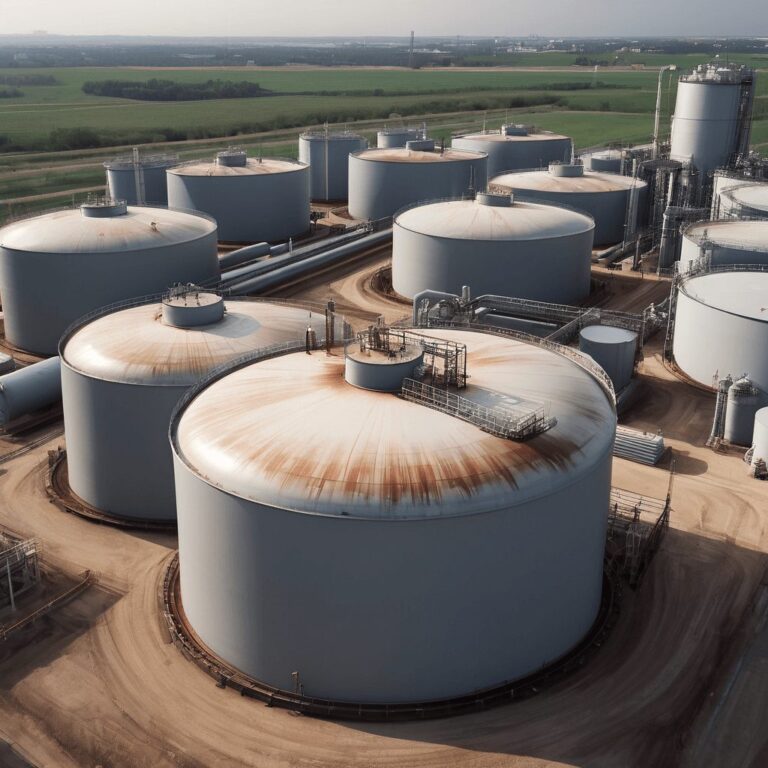
  • Aerial view of large storage tanks with rust-stained roofs at an oil tank farm

    Oil and Gas

    Tanks, pipes and equipment are guarded against corrosion and abrasion, and the fast cure keeps downtime short.

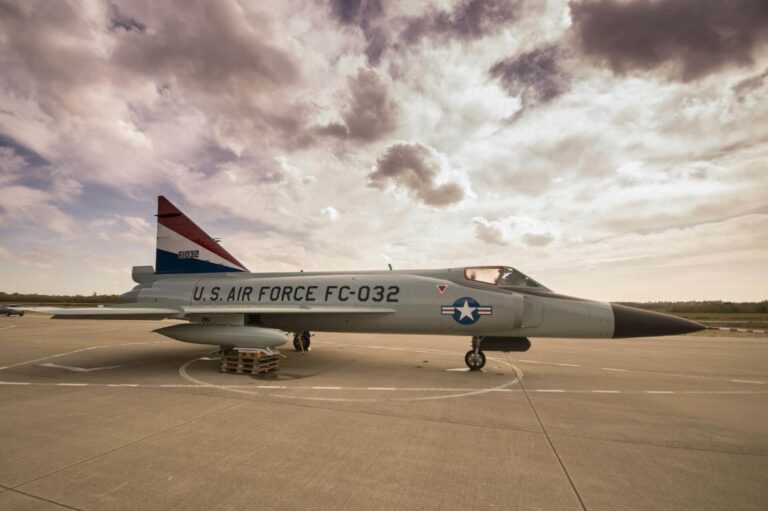
  • Vintage U.S. Air Force delta-wing jet parked on a concrete apron under a cloudy sky

    Military

    Polyurea reinforces armored vehicles, critical buildings and ballistic plates against extreme conditions.

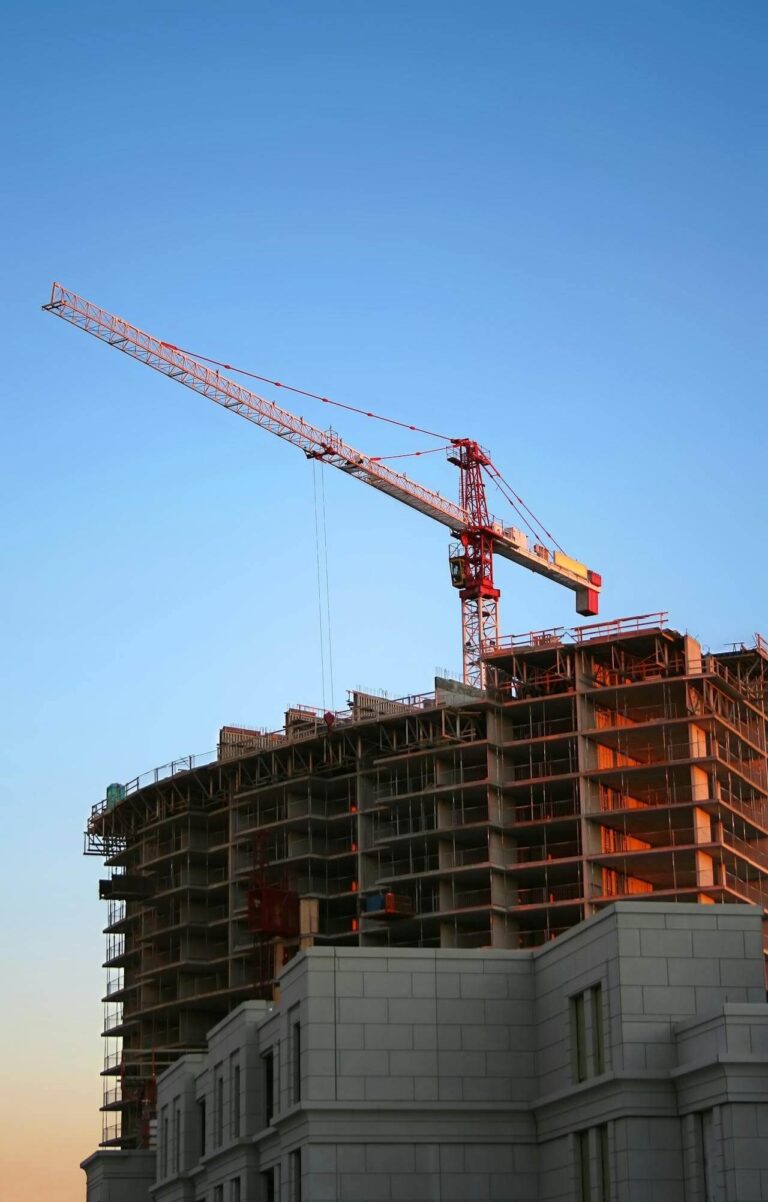
  • Tower crane above a high-rise building under construction

    Construction Sites

    On new builds, polyurea seals foundations and coats floors to extend the life of the structure.

  • Car bodies moving along an automotive assembly line inside a factory

    Automotive

    Plant floors and machinery are protected against wear, and the coating helps reduce vibration in equipment.

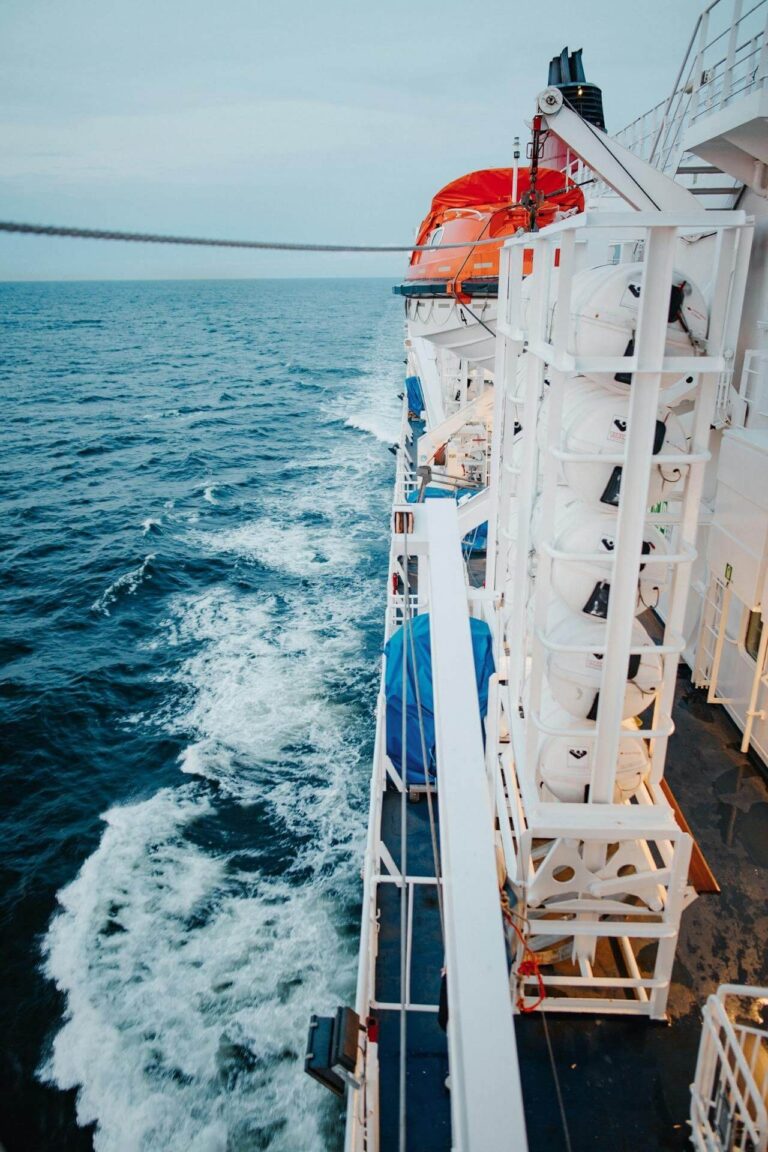
  • Side of a ship with a lifeboat and deck equipment above the open sea

    Marine

    Boats, docks and marine structures are waterproofed and shielded from corrosion.

Applications

What We Coat

Polyurea earns its place where water stands, traffic returns fast or the shutdown window is short.

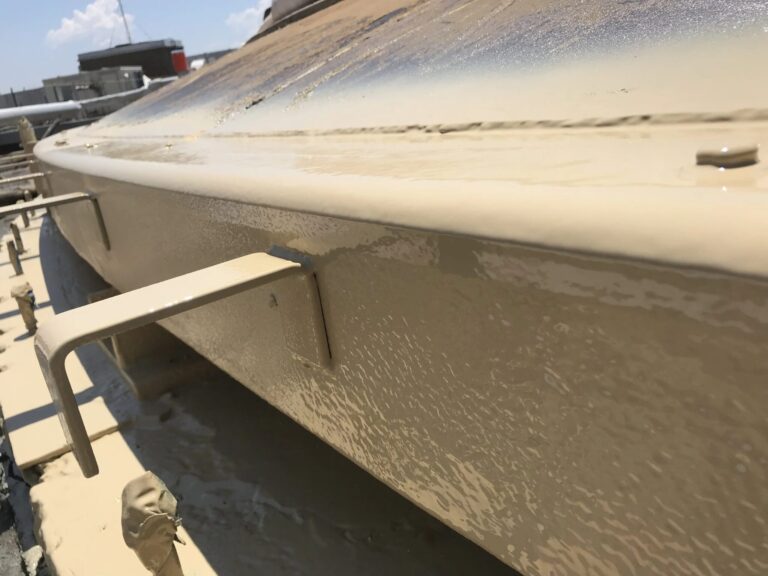
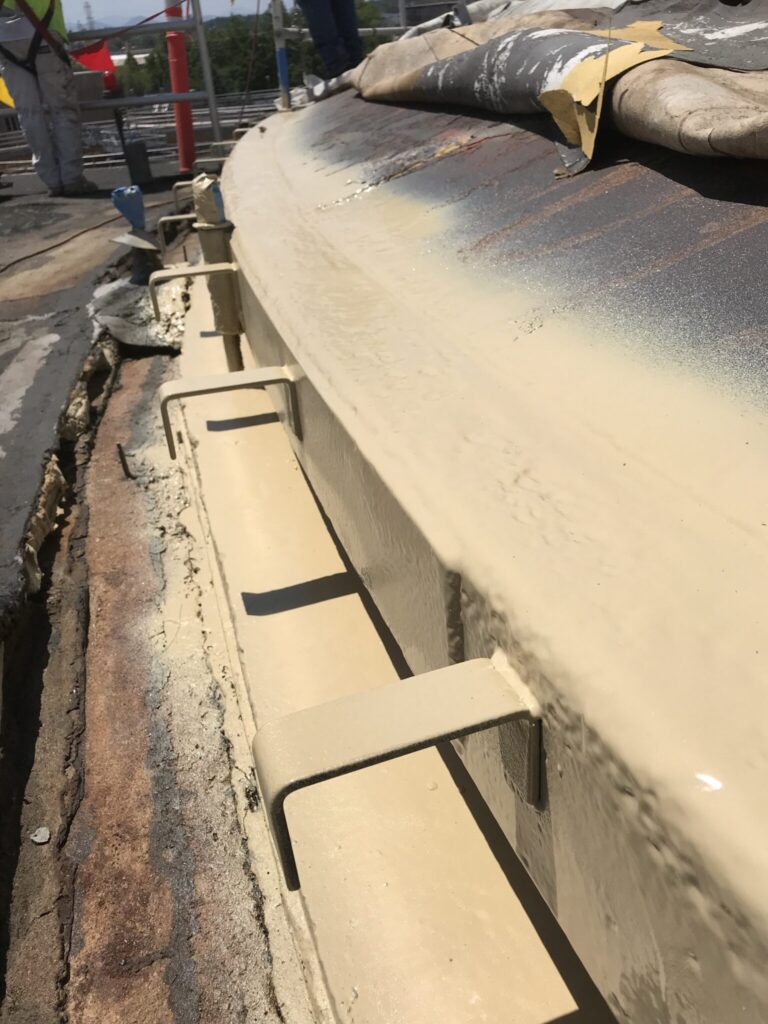
  • Restored tank rim with its polyurea coating

    Water and Wastewater Tanks

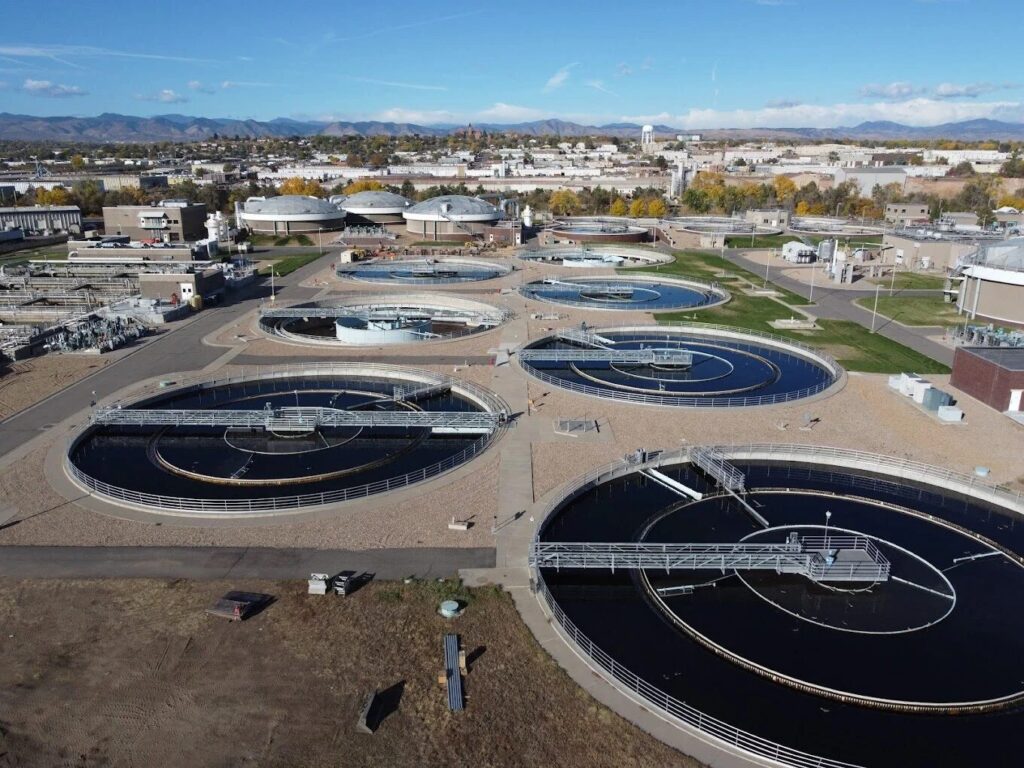
    Tank rims, lids and walls stay wet for most of their working life. Strong restored a 500,000-gallon tank rim at South Platte Renew and two tanks at Centennial Water & Sanitation.

    Learn More
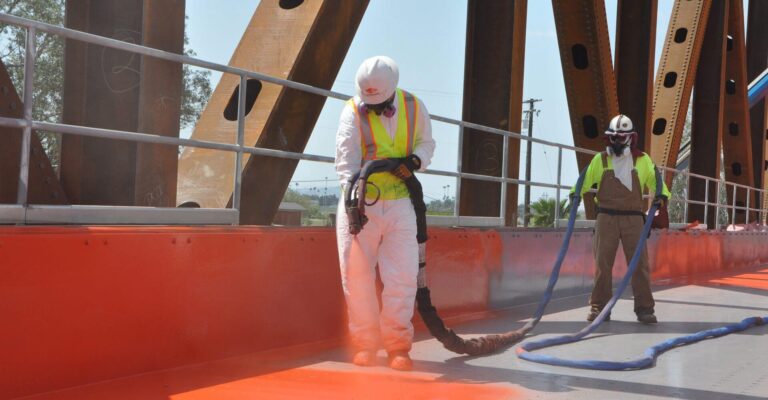
  • Two applicators in protective gear spraying orange polyurea onto a steel bridge deck

    Bridge Decks

    Sprayed across the deck, polyurea keeps water out of the structure below and flexes as the bridge moves under traffic.

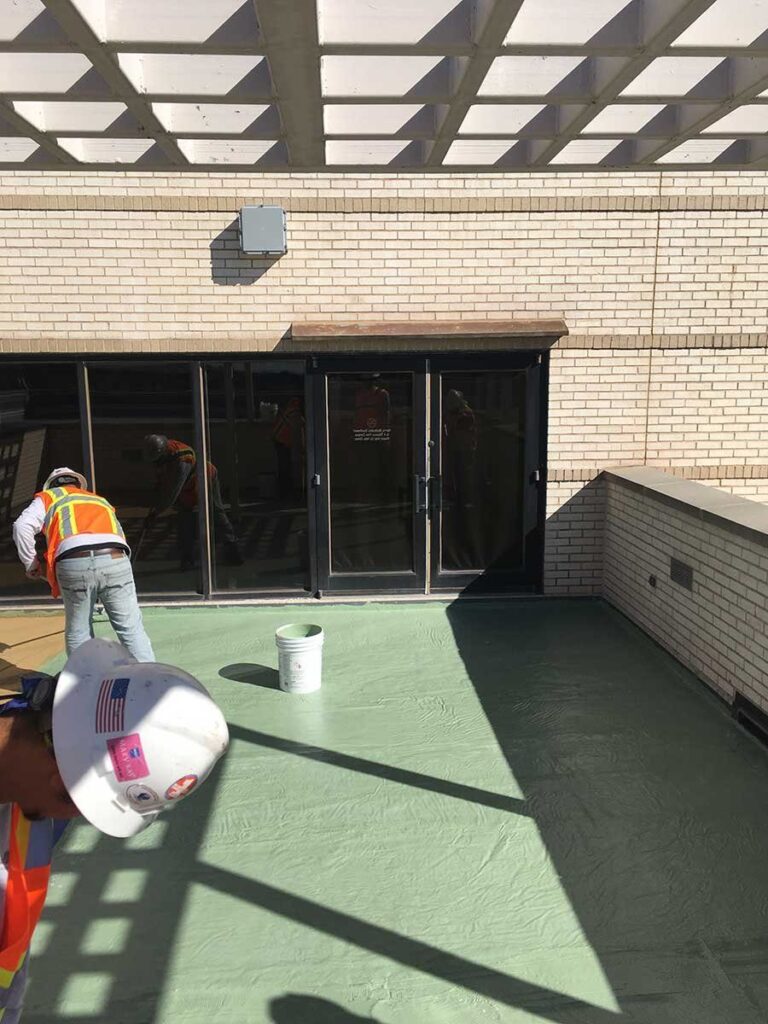
  • Workers in hard hats applying a green liquid waterproofing membrane on a building terrace under a pergola

    Plaza Decks and Below-Grade Structures

    Plaza decks get the same liquid-applied waterproofing as basement walls and foundations below grade.

    Learn More
Surfaces

What It Goes On

Polyurea bonds to four common substrates. Here is what it does on each.

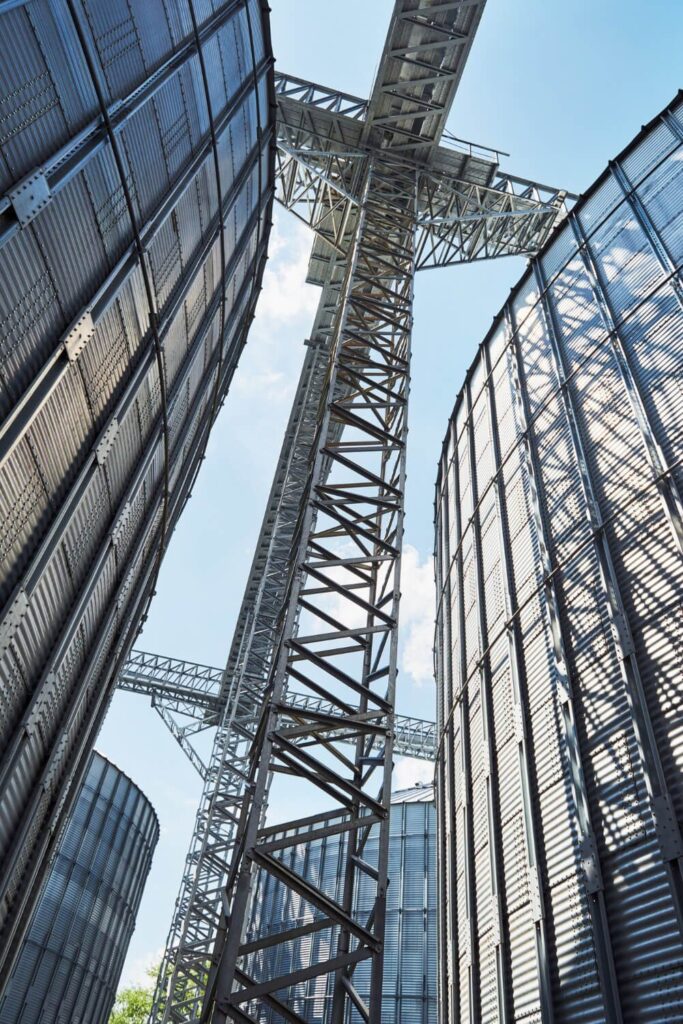
Looking up between corrugated steel grain silos and a steel lattice conveyor tower

Metal

Steel tanks, rims, brackets and structures get a coating that resists rust and wear. The blast profile sets how well it holds.

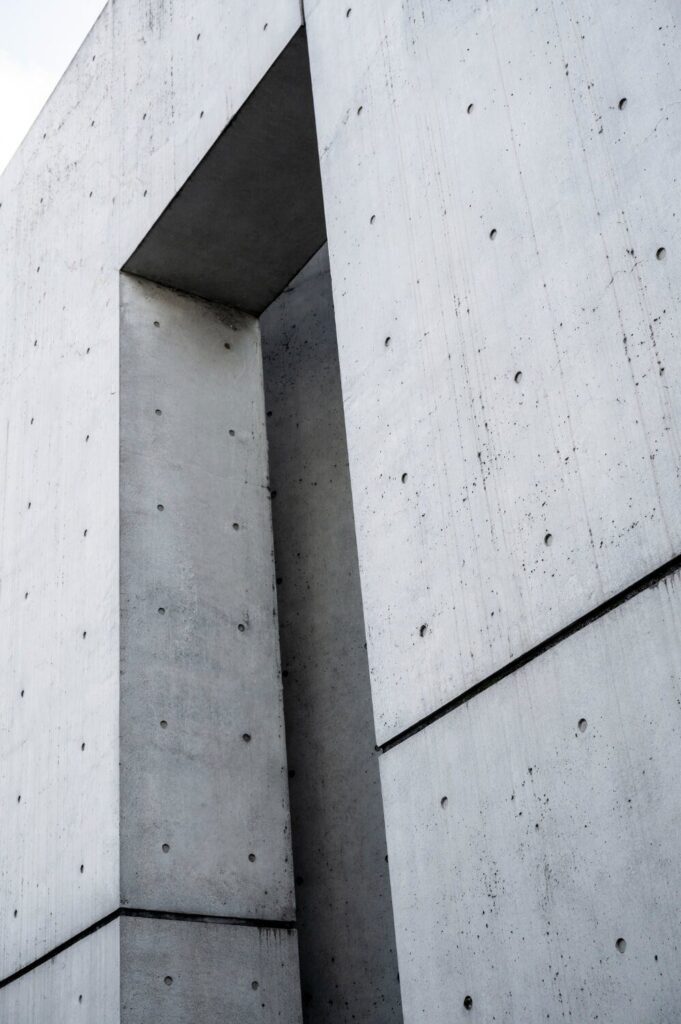
Smooth cast concrete wall with form-tie holes

Concrete

Concrete decks, walls and containment areas are repaired and profiled first, and the cured coating flexes over small cracks as the slab moves.

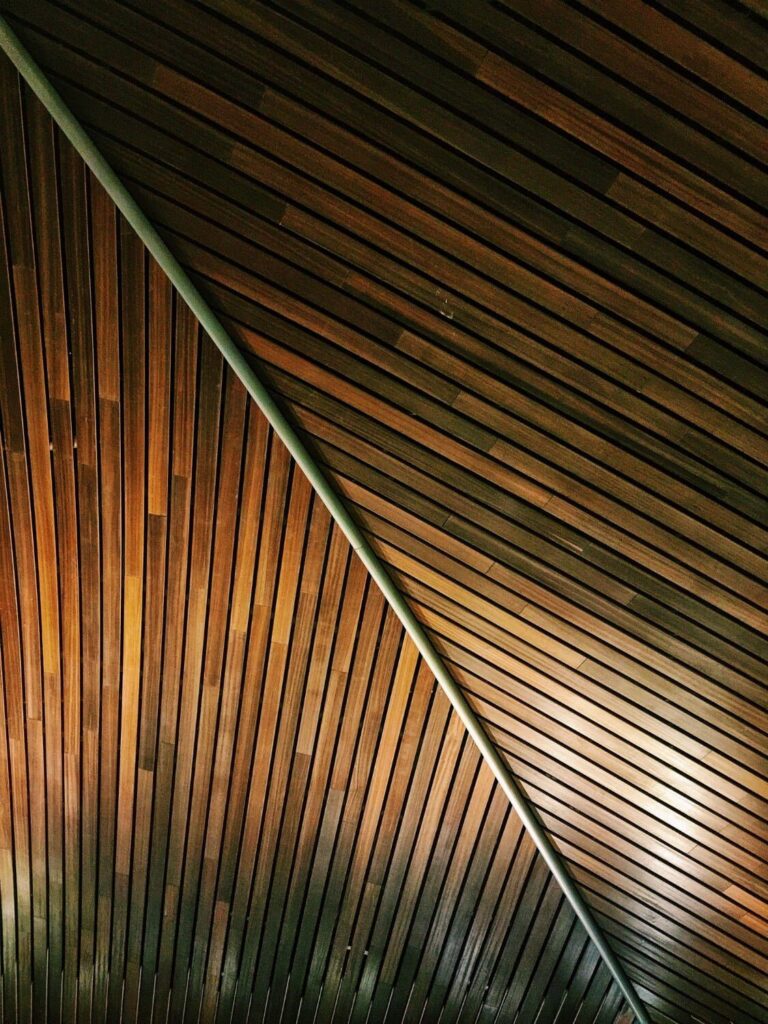
Underside of a wood slat ceiling crossed by a steel beam

Wood

Polyurea seals wood in a single continuous layer that bends as the wood swells and shrinks.

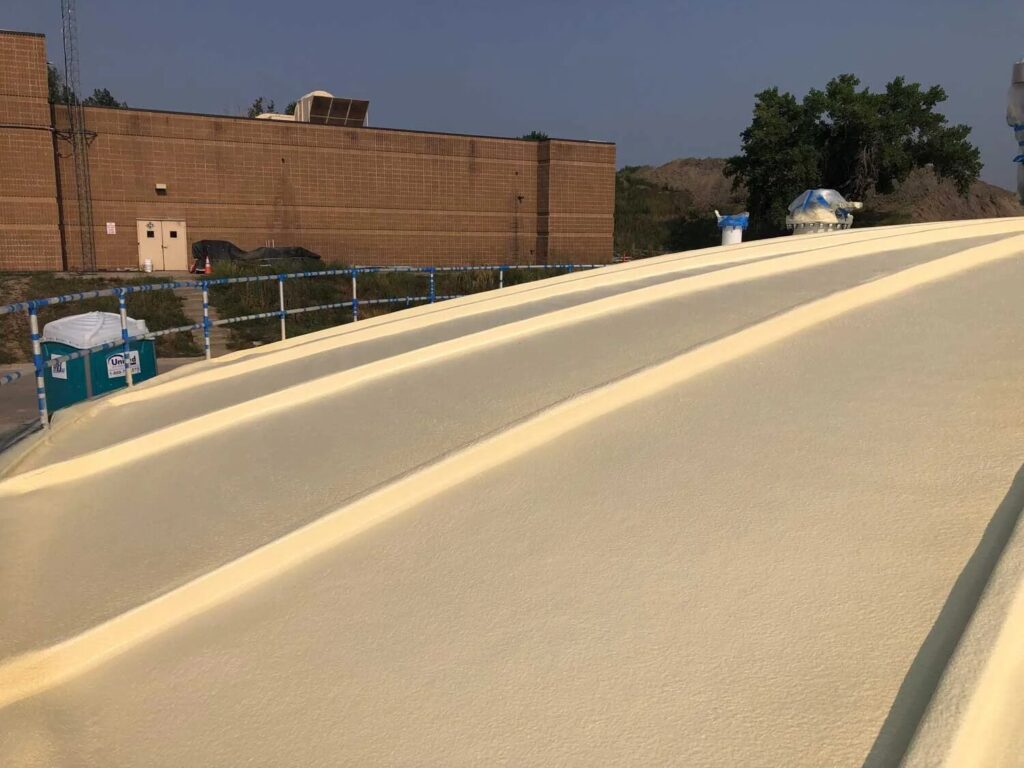
Finished granule-surfaced polyurea coating on a tank lid

Spray Foam

Over spray foam insulation, polyurea forms a hard outer shell that shields the foam, as on the tank lids at Centennial Water & Sanitation.

Strong Contractors' Approach to Polyurea Coatings

Fast to Cure. Never Rushed on Prep.

Polyurea’s fast cure time is an advantage only if the surface prep and application are done right — rushed prep is the most common cause of early delamination. We grind, prime, and moisture-test every surface before application, regardless of the tight schedule.

That discipline is what keeps our polyurea decks performing for years of heavy traffic, not months.

  • Certified Applicators
    Our crews are trained and certified on plural-component polyurea application.
  • Full-System Warranties
    Manufacturer-backed warranties covering material and labor, with terms up to 10 years.
  • Quality Documentation
    Substrate moisture testing and mil thickness are checked and photographed before and after application.
  • Fast Return-to-Service
    Most polyurea applications cure enough for foot traffic within hours, minimizing downtime.
Fit Check

Is polyurea the right coating for your surface?

Usually a Good Fit

  • Water and wastewater tanks, lids and rims that see constant moisture or standing water
  • Containment and process areas exposed to spills, abrasion and chemical splash
  • Shutdown windows measured in hours or a long weekend, not weeks
  • Concrete, steel, wood or spray foam that moves with temperature and needs a seamless, flexible film
  • Parking decks, ramps and loading docks that need traffic back quickly
  • Insulated tank lids and roofs where the foam needs a tough protective skin

Usually Not a Fit

  • Surfaces that cannot be blasted, ground or dried to the profile the system requires
  • Exposed aromatic polyurea with no aliphatic topcoat, which chalks and discolors in sunlight
  • Very small repairs where mobilizing a heated plural-component spray rig does not make sense
  • Immersion in chemicals the manufacturer's resistance data does not cover
Our Process

From Blast Profile to Final Inspection

Polyurea sets in seconds, which leaves no time to fix a bad surface mid-spray. Each step below has to check out before the next one starts.

  1. Condition Survey

    We map corrosion, cracks and failed coatings, and confirm the service conditions: immersion, chemicals, traffic and temperature. Those answers set the product, the film thickness and the prep standard.
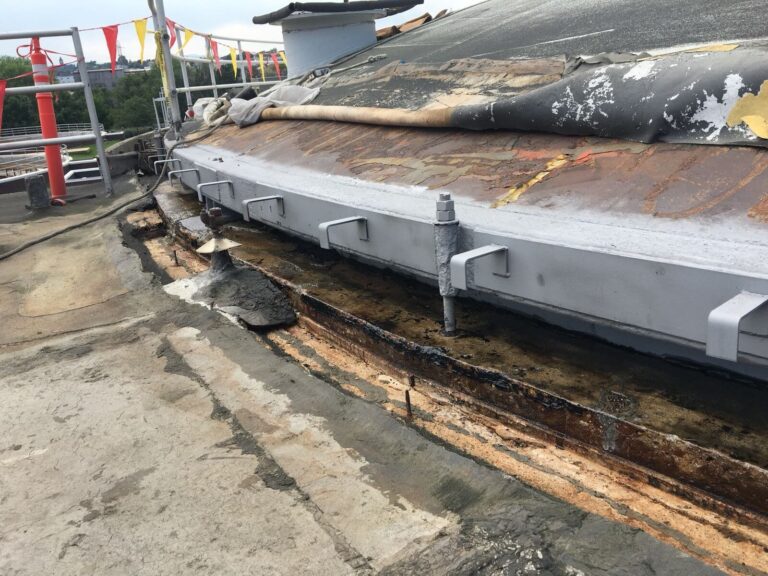
    Corroded rim section where the lid meets the tank wall
  2. Shutdown and Access Plan

    We build the schedule around your outage window, including crew shifts, confined or hard-to-reach areas, and weather protection such as heated enclosures for winter work.
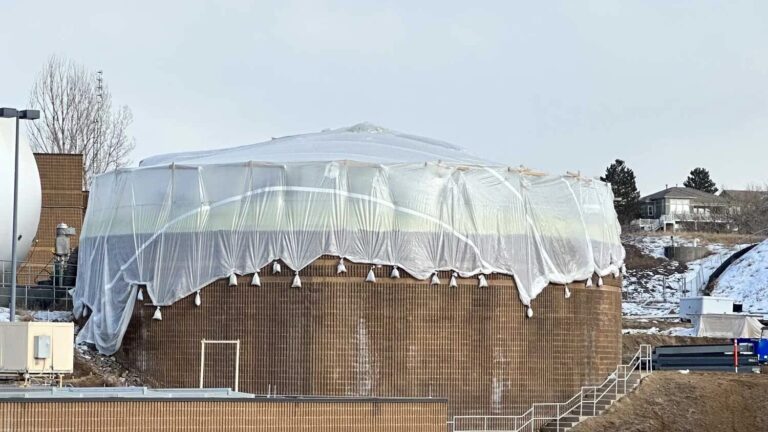
    Water tank enclosed in a heated tent for winter spray foam work
  3. Surface Preparation

    Steel is abrasive blasted to the specified standard, up to near-white metal (SSPC-SP 10). Concrete is ground or blasted to profile, repaired and checked for moisture before priming.
    Rim section during the restoration
  4. Plural-Component Application

    The A and B components are heated and pumped to the gun at a fixed ratio. We build thickness in passes, switching to smaller guns and angled nozzles where access is tight.
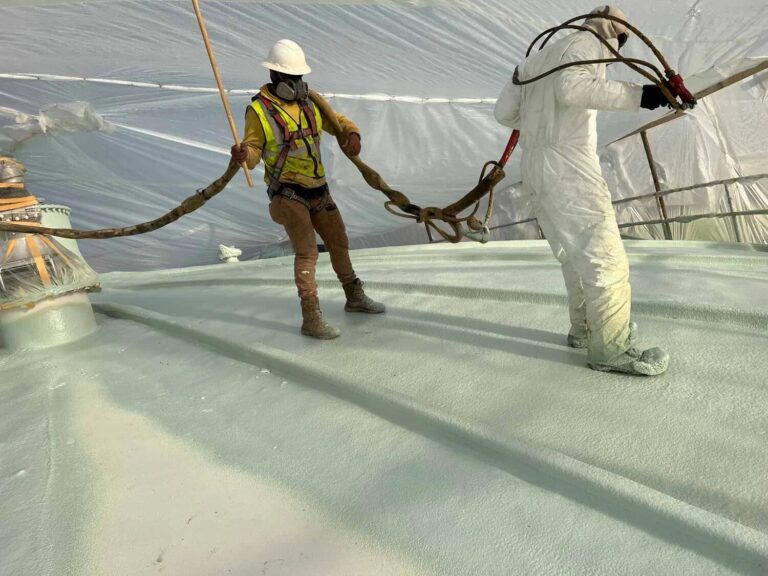
    Two crew members spraying foam inside the heated tent
  5. Detailing and Finish

    Edges, seams, penetrations and transitions get extra passes. Where the surface needs traction or UV protection, we broadcast granules or apply an aliphatic topcoat.
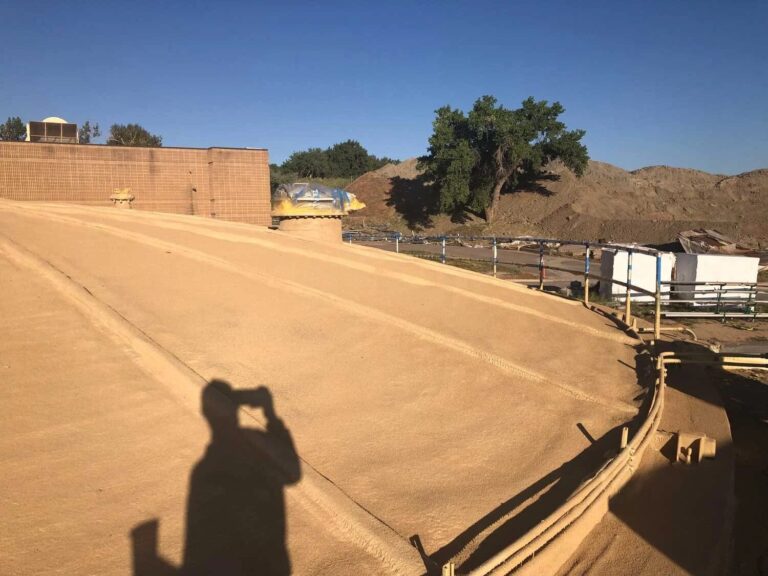
    Polyurea coating with broadcast granules on a tank lid in afternoon sun
  6. Testing and Handover

    We verify film thickness, adhesion and continuity against the project spec, then release the asset to service once the system reaches the cure the manufacturer requires.
    Restored tank rim with its polyurea coating
System Specs

Typical Polyurea System Specs

SpecTypical Value
ChemistryIsocyanate (A-side) and resin blend (B-side), plural-component
CureGels in seconds; cures in seconds to minutes
ApplicationHeated plural-component spray rig at a fixed mix ratio
SubstratesSteel, concrete, wood and spray foam
Steel prepAbrasive blast, up to SSPC-SP 10 near-white where specified
UV exposureAromatic as a base coat; aliphatic topcoat for sun and color stability
Film buildTypical: 40 to 80+ mils, set by service condition
Return to serviceTypical: foot traffic within hours; full service per product data
Pricing

What Drives the Cost

Polyurea pricing depends less on the material than on what it takes to prepare the surface and fit the work into your shutdown.

  • Surface Preparation Standard

    A brush-off blast and a near-white blast on corroded steel are very different scopes. Concrete repair, crack treatment and moisture mitigation add time as well.

  • Access and Confinement

    Tank rims, lids and tight interiors may need rigging, ventilation, angled blast nozzles and smaller spray guns, all of which slow production.

  • Film Thickness and Topcoat

    Immersion and containment service call for more mils than a deck. An aliphatic topcoat for UV exposure adds a second material and a second pass.

  • Schedule Compression

    Fitting the work into a holiday weekend or around-the-clock shifts keeps your asset offline for less time, but it changes crew planning and labor cost.

  • Weather Protection

    Cold-season work may need a heated enclosure to hold the substrate and air within the product's application limits.

Compare Options

Polyurea vs. Epoxy vs. Polyurethane

Polyurea CoatingsEpoxy & Protective CoatingsPolyurethane Coatings
Cure speedSeconds to minutesHours; full cure takes daysHours; varies by product
FlexibilityHigh elongation, bridges movementHard and rigidFlexible to semi-rigid
Build per passHigh build in one passModerate; often several coatsThin film per coat
SunlightAliphatic grades stable; aromatic needs a topcoatChalks without a topcoatAliphatic grades hold color
EquipmentHeated plural-component rigBrush, roller or sprayBrush, roller or spray
Typical jobTanks, containment, fast turnaroundsFloors, linings, primersUV topcoats, exposed steel, roofs
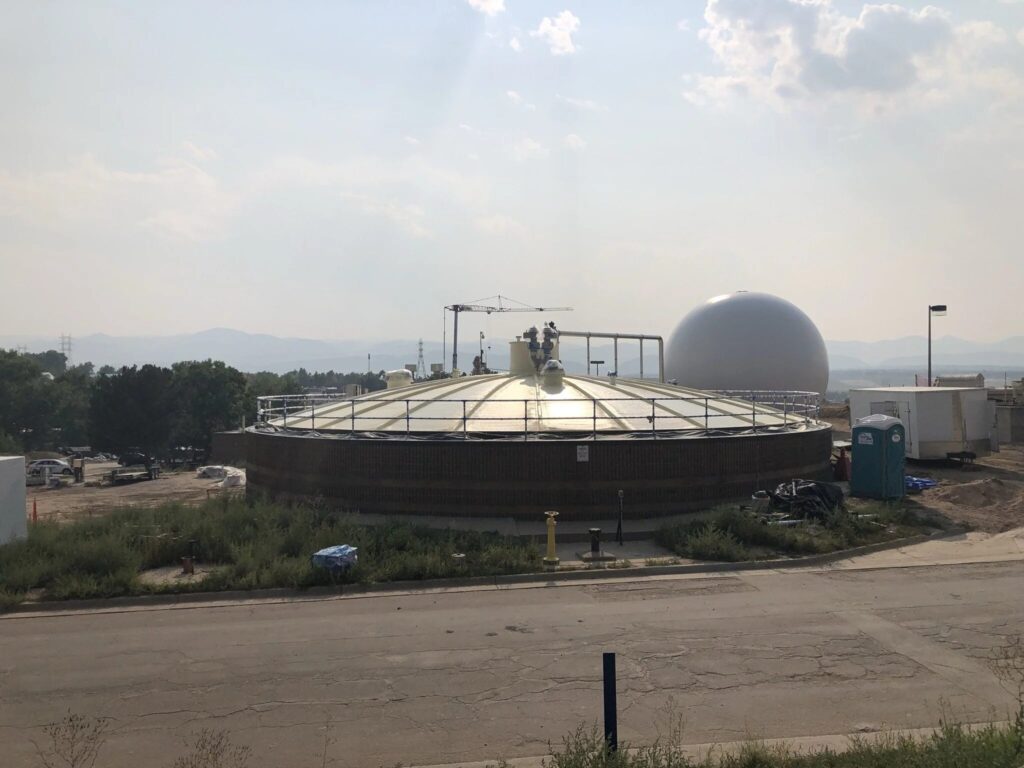
Centennial Water and Sanitation tank site with the restored tank lid and a domed digester
Featured Project

Centennial Water & Sanitation

Two 500,000-gallon water tank restorations with R-21 spray foam insulation and a granule-surfaced polyurea coating, including winter work in a heated tent.
Two 500,000-gallon tanks
View Case Study
Outside Colorado?

We Bring Our Crews to the Job

Strong Contractors takes on spray foam, coating, and ballast removal projects outside Colorado, bringing our own crews, equipment, and project management to the job. Before we bid an out-of-state project, we confirm that state’s licensing, registration, and permit requirements so the work moves forward cleanly.

Discuss Your Project
FAQ

Polyurea Coating Questions

How fast does polyurea cure?

Polyurea gels within seconds and cures in seconds to minutes after it leaves the gun. Light foot traffic is often possible within hours, while full chemical or immersion service follows the product’s published cure schedule. That speed is why fast-setting polyurea was the choice at South Platte Renew, where a 500,000-gallon wastewater tank rim was restored in 36 straight hours over the Fourth of July weekend.

Is polyurea better than epoxy for a tank or containment area?

Polyurea is usually the better fit when the tank moves, the shutdown is short or the coating has to build thickness fast. It stretches to bridge small cracks and returns to service quickly, which suits tanks that expand and contract. Epoxy is harder and is often the better primer or the right lining for certain chemicals. We base the choice on the service conditions and the manufacturer’s resistance data.

Can polyurea be applied in winter?

Yes, when surface and air conditions can be controlled. Polyurea tolerates cold better than many coatings, but the substrate must stay dry and above the dew point while it is sprayed. On one of the two 500,000-gallon tanks at Centennial Water & Sanitation, we built a heated tent around the tank so work could continue through the winter months.

What is the difference between aromatic and aliphatic polyurea?

Aromatic polyurea costs less and works well as a base coat, but it discolors and chalks in sunlight. Aliphatic polyurea resists UV and holds its color, so it is used where the coating stays exposed. Many exterior systems pair the two: an aromatic build coat for protection, then an aliphatic topcoat for weathering.

Can polyurea go over spray foam insulation?

Yes. Polyurea is a common protective skin over spray polyurethane foam on tank lids and roofs. At Centennial Water & Sanitation, we applied 3.5 inches of spray foam to the tank lids to meet an R-21 insulation requirement, then coated the foam with polyurea and broadcast granules into it for a durable, weather-resistant finish.

Why do polyurea coatings delaminate?

Most early failures trace back to the surface, not the product. Contamination, moisture, a shallow blast profile or a skipped primer can all break the bond, and a fast cure leaves no time to fix mistakes mid-spray. Off-ratio mixing from poorly maintained equipment is another cause. Careful prep, calibrated equipment and checks during application prevent most of them.

Which polyurea manufacturers do you work with?

Strong works with coating manufacturers including PPG, The Versa Flex Companies and Rhino Linings Protective Coatings. On difficult jobs we bring the manufacturer in early. At South Platte Renew, the application plan was developed with a PPG coating specialist to meet a tight deadline, and the finished work passed all inspections.

Related Services

Explore More Industrial Coatings Solutions

Epoxy & Protective Coatings

Read More

Polyurethane Coatings

Read More