Choosing a commercial roofing contractor is a bigger decision than it looks like on the surface — the roof is one of the most expensive systems on the building, and the contractor you pick determines whether that investment lasts its full expected life or fails early. A few direct questions up front separate the contractors worth hiring from the ones worth avoiding.
1. Do You Self-Perform the Work, or Subcontract It?
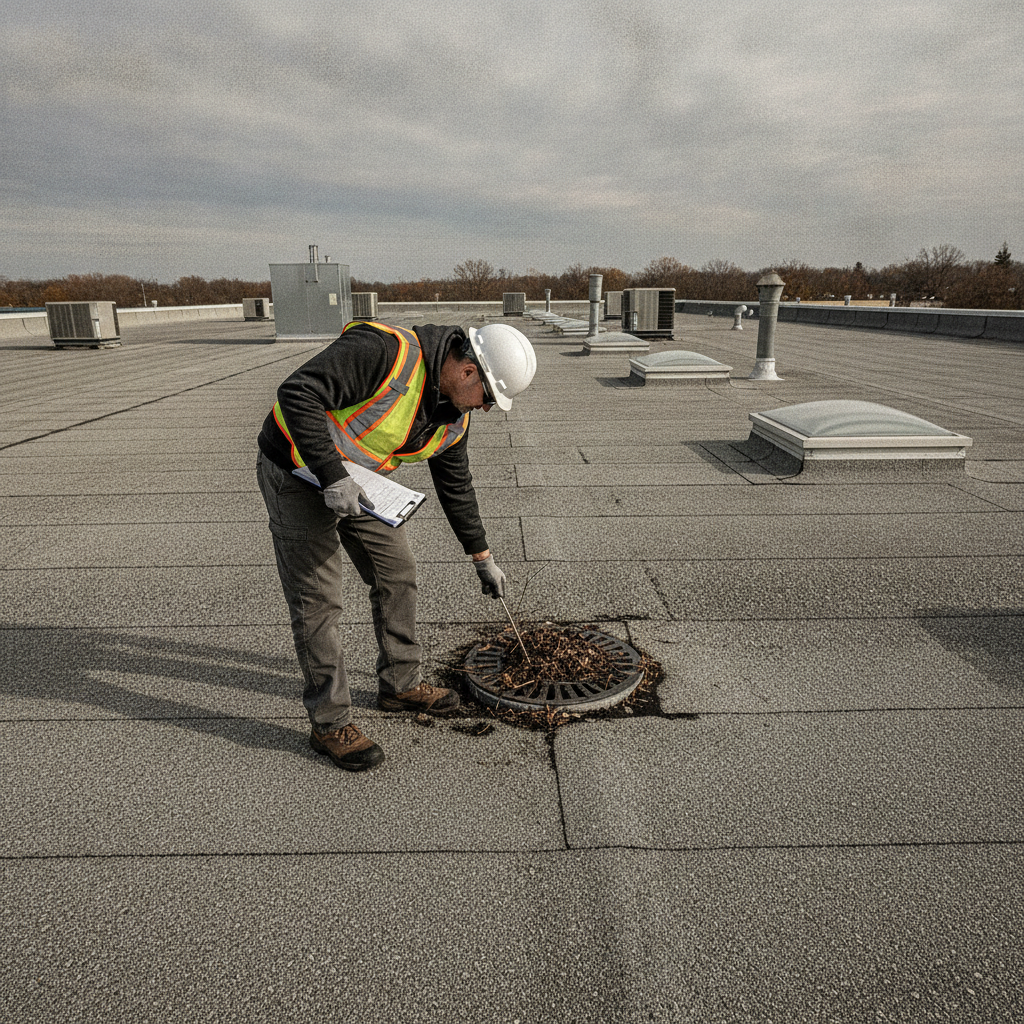
This matters more than most owners realize. A contractor who self-performs with their own trained crews controls quality from the estimate through the final inspection. A contractor who subcontracts is one more layer removed from the actual installation — and accountability gets harder to pin down if something goes wrong.
2. What’s Your Experience With My Specific Roof System?
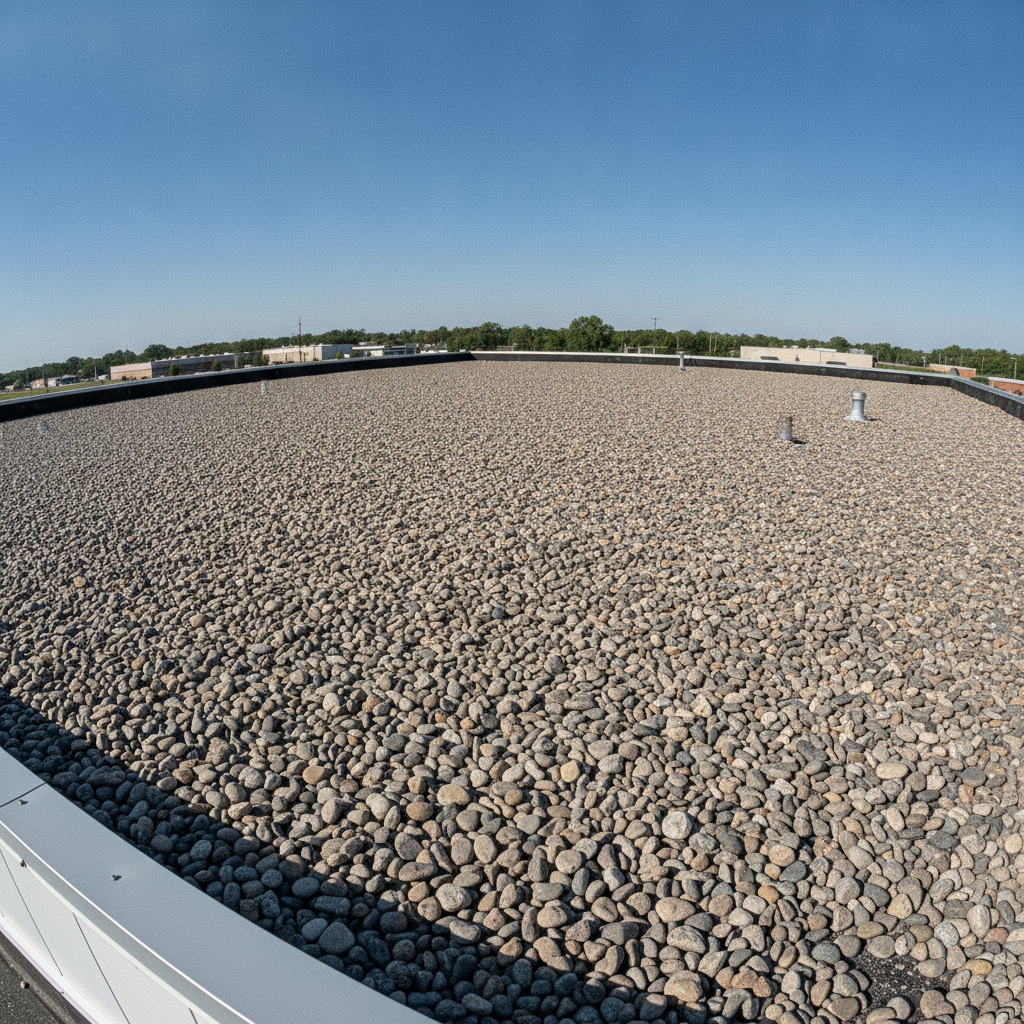
TPO, EPDM, fluid-applied coatings, ballasted systems — these all require different expertise and manufacturer certifications. A contractor who’s vague about system-specific experience, or who pushes a single system regardless of what your building actually needs, is a warning sign.
3. What Warranty Backs the Work — Material and Labor?
Manufacturer material warranties and contractor labor warranties are two different things, and both matter. Ask specifically what’s covered, for how long, and whether the warranty is backed by manufacturer certification or just the contractor’s own word.
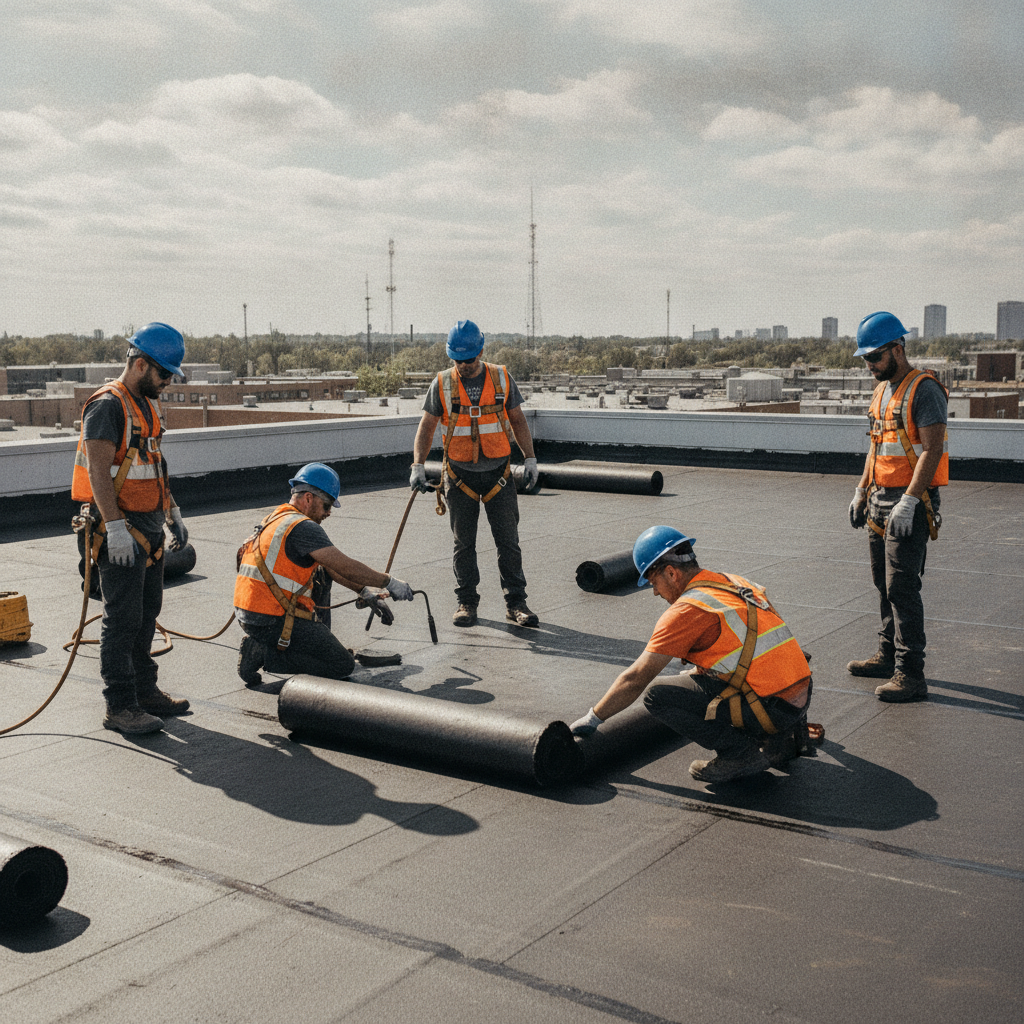
4. Can I See Documentation From Similar Projects?
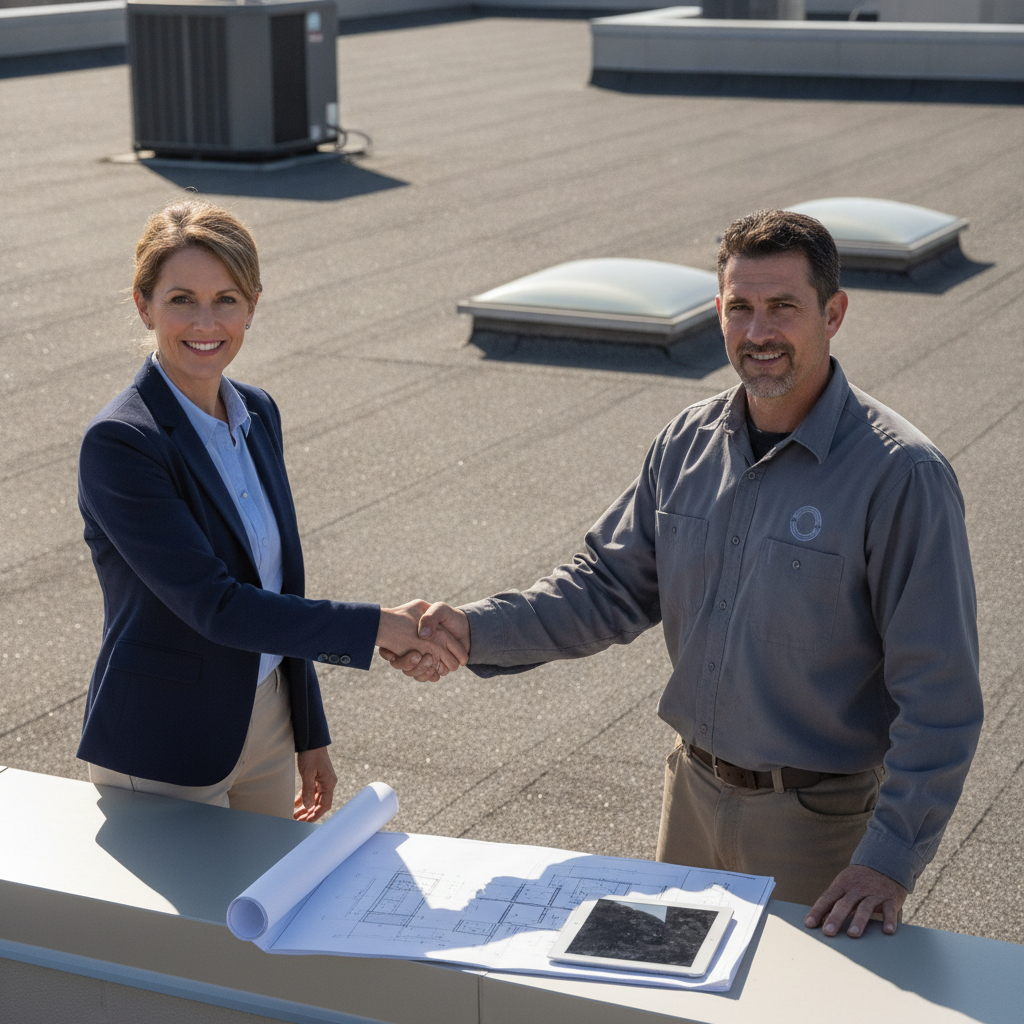
A contractor with real commercial experience should be able to point to comparable projects — similar building type, similar roof system, similar scope. Vague answers or an inability to provide references is a sign of limited actual experience at the scale you need.
5. How Do You Handle Safety and Compliance?
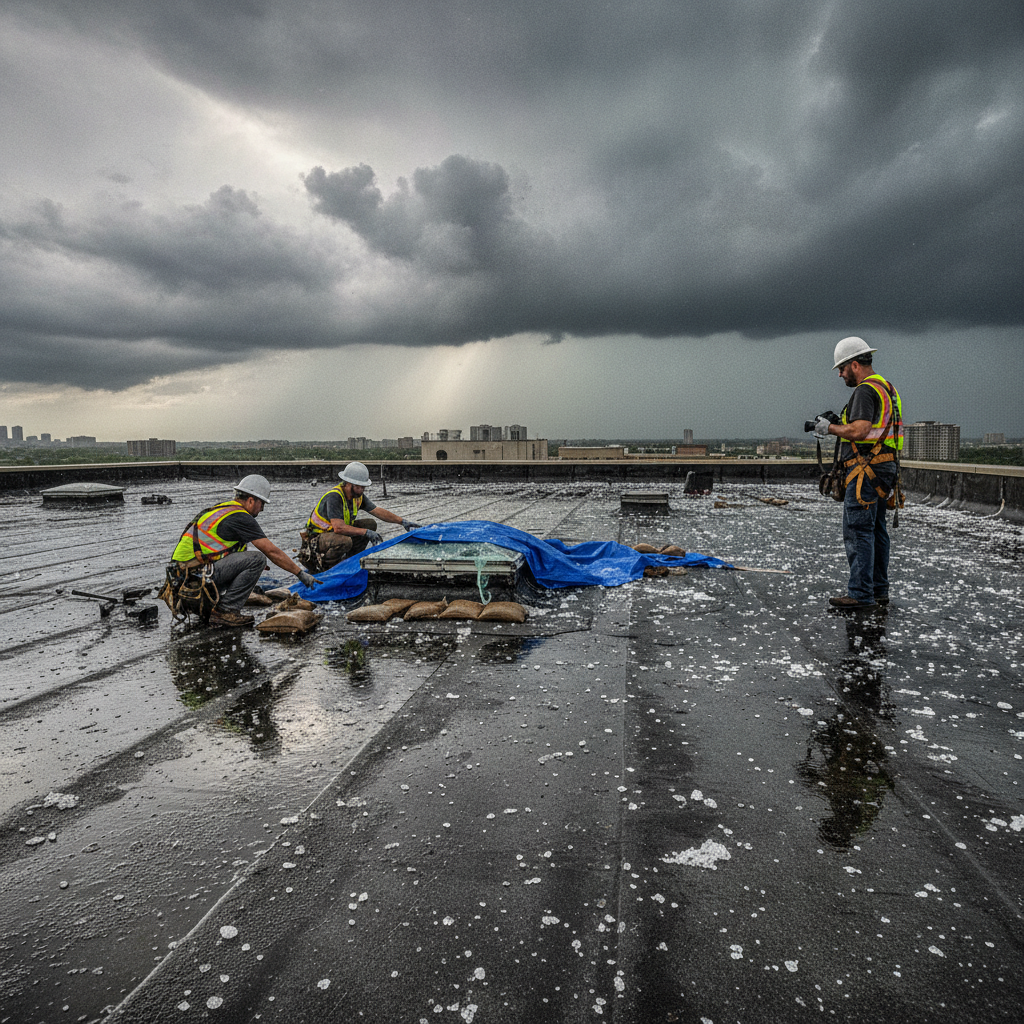
Commercial roofing carries real safety and liability exposure. Ask about OSHA compliance, insurance coverage, and safety protocols directly — a contractor who can’t answer clearly is a liability risk for your building, not just theirs.
The right contractor won’t just answer these questions — they’ll expect them, because they’re the same standards a serious commercial roofing operation holds itself to before you ever ask.