Modified Bitumen Roofing

What Is Modified Bitumen Roofing?

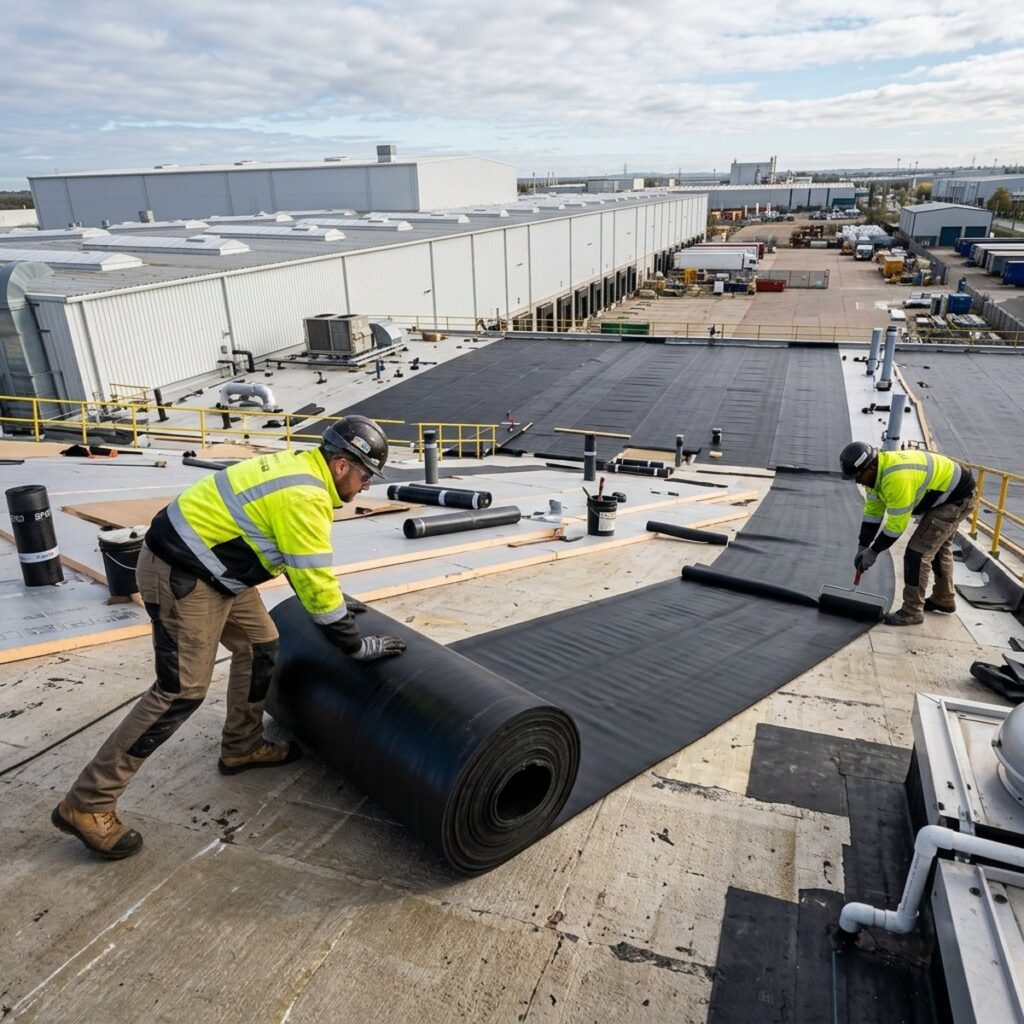
Modified bitumen is a factory-made asphalt membrane, blended with SBS or APP polymers and usually installed as a two-ply base and cap system. It fits small or irregular low-slope roofs, roofs crowded with penetrations and areas that see regular maintenance traffic. Choose it when you want a tough, repairable sheet and the building can accept the right application method.

Rubberized asphalt protection with proven flexibility

Strong Contractors installs, replaces and repairs modified bitumen roofing systems for commercial, industrial and institutional facilities. Modified bitumen is an asphalt-based membrane reinforced with polymers to improve flexibility, strength and weather resistance. It is commonly selected for complex roof layouts, smaller roof areas, frequent maintenance traffic and conditions requiring a durable, flexible membrane system.

Common Applications:
  • Commercial and Institutional Buildings
  • Schools and Municipal Facilities
  • Healthcare Facilities
  • Industrial Buildings
  • Roofs with Complex Penetrations and Transitions
  • High-Traffic Maintenance Areas
  • Smaller or Irregular Low-Slope Roofs
  • Repair, Replacement and Phased Reroofing Projects
Strong Contractors' Approach to Modified Bitumen Roofing

Matched to the Membrane, Application Method and Roof Geometry

Modified bitumen systems may use different membrane formulations, attachment methods and surfacing options. Strong coordinates the substrate, base sheet, membrane, application method, laps, flashings and protective finish around the roof configuration and project conditions.

  • Understand the Roof Conditions
    We evaluate substrate compatibility, drainage, penetrations, maintenance traffic and application constraints.
  • Select the Appropriate Application
    Torch, hot asphalt, cold adhesive, self-adhered or mechanically attached methods are matched to the specified membrane and site conditions.
  • Control Bonding and Laps
    Membrane alignment, adhesion, side laps and end laps are managed to maintain continuous coverage.
  • Reinforce Complex Details
    Corners, penetrations, curbs, transitions and changes in plane receive focused reinforcement and detailing.
Fit Check

Is modified bitumen right for your roof?

Usually a Good Fit

  • The roof is small, cut up or has many curbs, pipes and transitions
  • Maintenance crews walk the roof often to reach equipment
  • You want a membrane that can be repaired in sections with matching material
  • A torch-free method is needed and cold-applied or self-adhered sheets will work
  • The existing mod-bit roof is wet or failing and needs replacement, not a coating

Usually Not a Fit

  • The roof is a large, open field where a single-ply sheet installs faster
  • A white, highly reflective surface is the priority and a coated cap is not enough
  • A dry, well-attached mod-bit roof can often take a coating instead of a tear-off
  • Grease or chemical discharge lands on the roof; PVC usually handles that better
Our Process

How a Modified Bitumen Project Runs

The application method on a mod-bit roof is chosen for the building, not the other way around. From first visit to final paperwork, the work runs in six steps.

  1. Inspect the Roof and the Rooms Below

    We check the membrane, drains and flashings, cut cores where moisture is suspected and walk the interior spaces under the roof. What happens below sets how we work above.
  2. Choose a Safe Application Method

    Combustible decks, wood nailers, fresh-air intakes and occupied rooms all limit where a torch or hot kettle can go. We pick torch, hot, cold or self-adhered sheets around those limits.
  3. Remove and Dry In by Section

    Tear-off is limited to what can be closed up before the end of each shift. Damaged insulation and deck are replaced as they are found, and no section is left open overnight.
  4. Set the Base Sheet

    The base sheet goes down first, attached by the method the system calls for. It is the layer every flashing and the cap sheet bond to, so it has to lie flat and tight.
  5. Install the Cap Sheet and Flashings

    Cap sheet laps are offset from the base sheet laps. Curbs, walls, drains and penetrations get reinforced flashing plies before granules are touched up at any visible seams.
  6. Final Walk and Warranty

    We walk every lap and detail with the punch list, fix what we find and deliver QA/QC records and the manufacturer warranty paperwork at closeout.
System Specs

Typical Modified Bitumen Specs

SpecTypical Value
Polymer typeSBS (rubber-like) or APP (plastic-like)
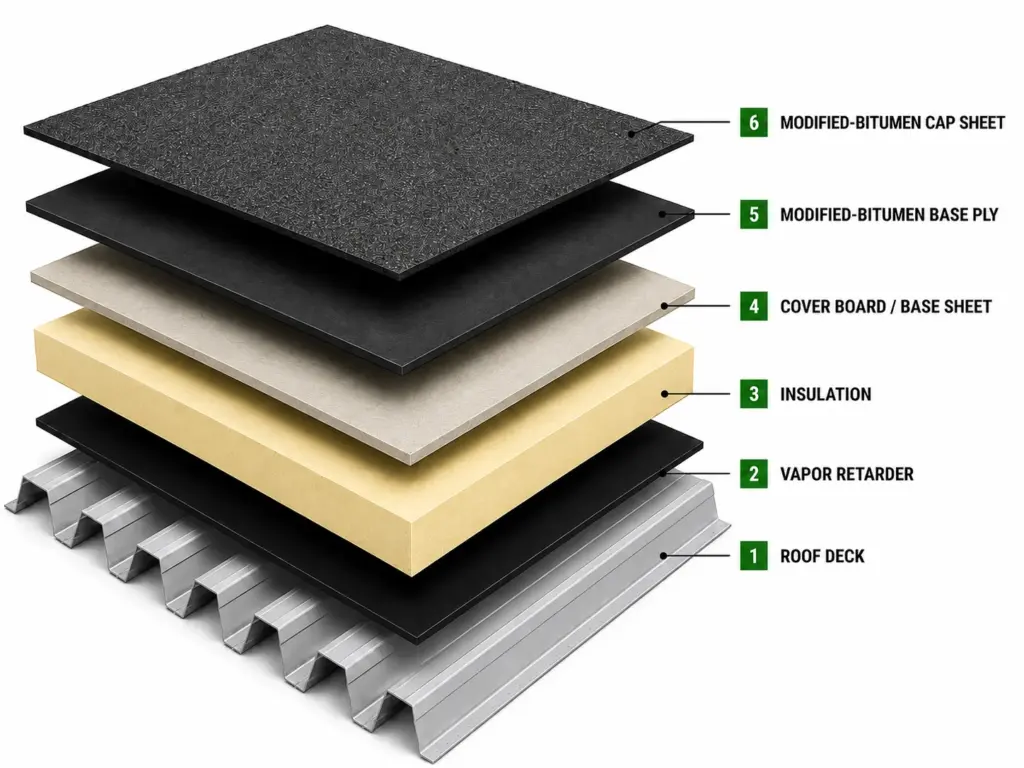
Typical assemblyTypical: 2 plies, base sheet plus granule cap sheet
ReinforcementPolyester or fiberglass mat inside each sheet
ApplicationTorch, hot asphalt, cold adhesive, self-adhered or mechanically attached
SurfacingMineral granules, or a smooth sheet with a field-applied coating
Service lifeTypical: 15 to 25 years, depending on plies and maintenance
WarrantyNo Dollar Limit (NDL) manufacturer warranties, typically 10 to 20 years depending on the system
Modified bitumen roof assembly layers: roof deck, vapor retarder, insulation, cover board or base sheet, base ply, cap sheet
Pricing

What Drives the Cost

Two mod-bit roofs of the same size can price very differently. The roof’s shape and the application method usually matter more than the square footage.

  • Application Method

    Torch and hot-mopped systems need fire watch or kettles. Self-adhered and cold-applied sheets avoid those but cost more in material. The building usually decides which one is allowed.

  • Roof Shape and Details

    Small, irregular roofs with many curbs and penetrations take more hand detailing per square foot than a simple rectangle.

  • Condition of the Existing Roof

    Saturated insulation and soft deck have to come out and be replaced. Test cuts during the assessment size that work, so it is priced up front rather than discovered mid-job.

  • Surfacing and Reflectivity

    A standard granule cap costs less than a reflective cap or a field-applied coating added to meet energy or heat goals.

  • Occupied Building Constraints

    Work around patients, students or production lines can mean phased sections, off-hours shifts and extra protection, which add time.

Compare Options

Modified Bitumen vs. Built-Up vs. Silicone Restoration

Modified Bitumen RoofingBuilt-Up Roofing (BUR)Silicone Roof Coatings
MembranePolymer-modified asphalt sheetsFelts bonded with hot or cold bitumenFluid-applied coating
LayersUsually 2 pliesTypically 3 to 4 pliesCoating over the existing roof
SeamsTorched, mopped or adhered lapsStaggered laps, mopped or adheredSeamless
SurfaceGranules or coatingGravel, cap sheet or coatingWhite, reflective; granules optional
Installed byTorch, hot, cold or self-adheredHot kettle or cold adhesiveSpray or roller, no tear-off if the roof qualifies
Strongest fitSmaller roofs with many detailsHeavy-traffic, equipment-heavy roofsAging roofs that are still dry
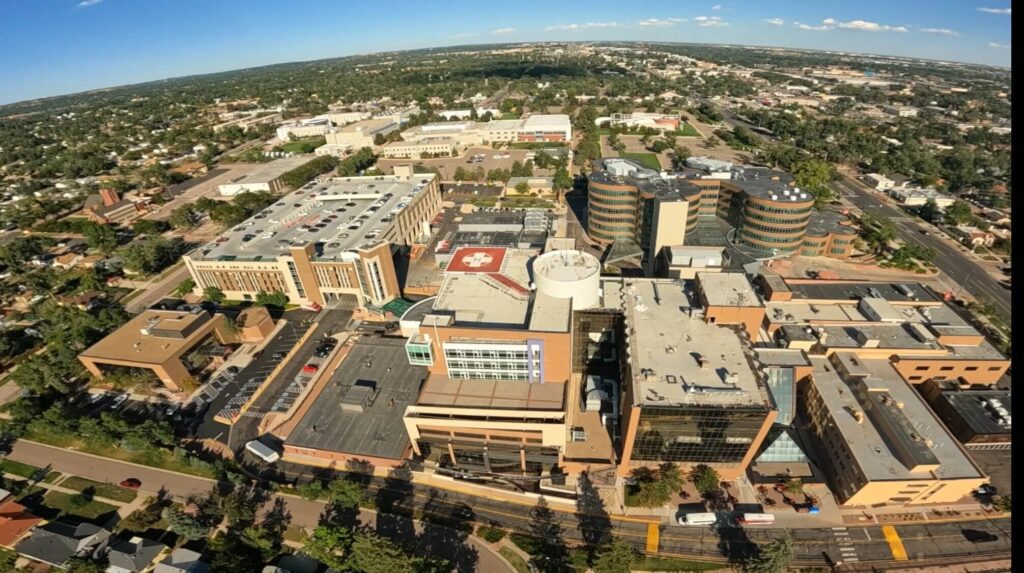
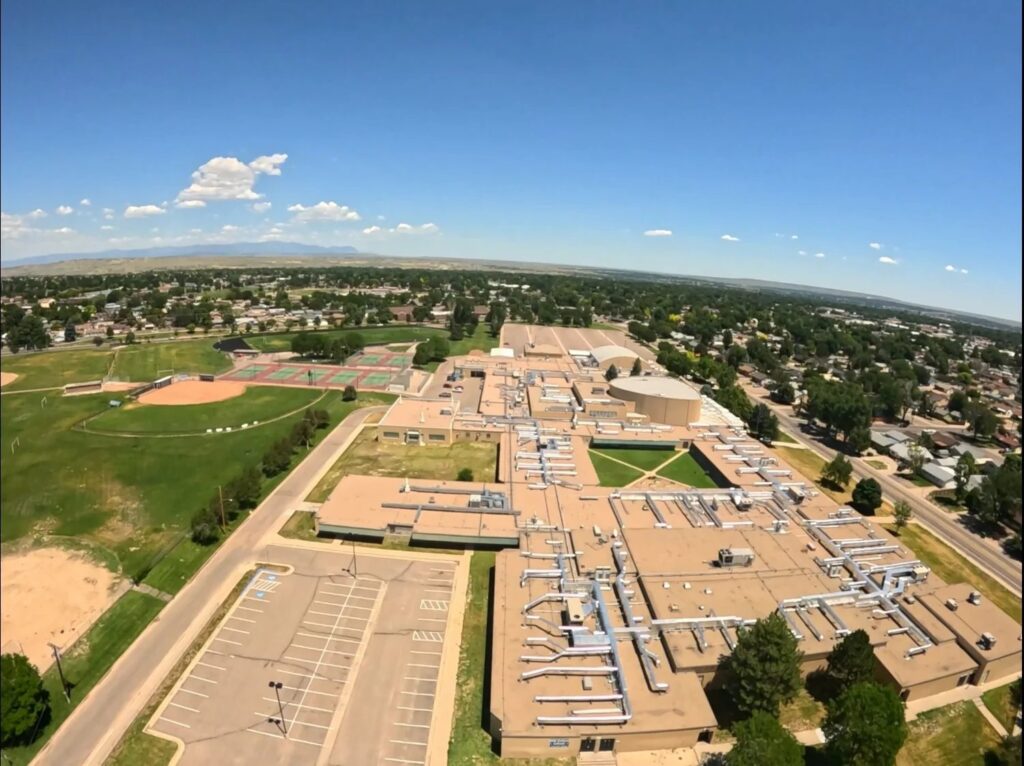
Aerial view of UCHealth Memorial Hospital in Colorado Springs
Featured Project

UCHealth Memorial Hospital

Silicone coating restoration over a modified bitumen roof on an active hospital in Colorado Springs, including the helicopter pad, with 964 concrete pavers removed by hand.
Colorado Springs, CO
View Case Study
FAQ

Modified Bitumen Roofing Questions

What is the difference between SBS and APP modified bitumen?

SBS adds a rubber-like polymer that lets the sheet bend without cracking at low temperatures and is installed by torch, hot asphalt, cold adhesive or self-adhesion. APP adds a plastic-like polymer that typically holds up well to heat and UV and is usually torch-applied. Which one fits depends on the roof’s exposure, the building and the warranty.

Is torch-down roofing safe on an occupied building?

It can be, with trained crews, fire watch and careful limits on where open flame is used. Torches are kept away from combustible decks, wood nailers and openings, and many details are done with self-adhered or cold-applied material instead. On some buildings a fully torch-free system is the better answer.

How long does a modified bitumen roof last?

A two-ply modified bitumen roof typically lasts 15 to 25 years. Drainage, UV exposure, foot traffic and how quickly small repairs are made all move it within that range. A reflective coating or cap sheet can reduce heat aging, and regular inspections catch open laps before water reaches the insulation.

Can a modified bitumen roof be restored instead of replaced?

Yes, when the sheets are still bonded to the substrate and test cuts confirm the insulation is dry. At UCHealth Memorial Hospital in Colorado Springs, we restored an existing modified bitumen roof, helipad included, with a silicone coating and broadcast granules and no tear-off. Cores and an inspection show whether a roof qualifies.

Can you install modified bitumen during a Colorado winter?

Sometimes. Torch-applied sheets can go down in cooler weather than most self-adhered or cold-applied products, which have minimum temperatures set by the manufacturer. Snow, ice and frost on the deck stop all methods. We plan winter work around forecast windows and close every section before the crew leaves.

Is modified bitumen or TPO better for my building?

Modified bitumen is usually the better match for a small, busy roof with heavy foot traffic and many details, such as an occupied hospital or school. It handles traffic and complex detailing well and repairs easily in small areas. TPO installs faster on large, open roofs and starts white and reflective, so it usually suits big, simple fields.

Related Services

Explore More Commercial & Industrial Roofing Solutions

TPO Roofing Systems

Read More

EPDM Roofing

Read More

PVC Roofing Systems

Read More

Metal Roofing & Retrofits

Read More

Built-Up Roofing (BUR)

Read More